Recruitment can be time-consuming, from reviewing CVs and contacting applicants to conducting initial screenings and preparing reports. AI candidate screening helps streamline these tasks, allowing hiring teams to manage applications more efficiently, keep candidates moving through the process and focus on making informed hiring decisions.
Factorial One helps businesses automate initial candidate screening, giving recruiters more time to focus on evaluating talent and making informed hiring decisions.
What is AI candidate screening?
AI candidate screening uses artificial intelligence to help recruiters assess applications against criteria defined for a role. Depending on the system, this may involve summarising CVs, identifying relevant experience, asking screening questions or preparing reports for recruiters.
The goal is to make the early stages of recruitment more manageable, particularly when teams need to assess many applications. AI screening should not be confused with handing the entire hiring process to a machine. Recruiters still need to define the role requirements, assess the quality of the information provided and make appropriate hiring decisions.
Factorial One brings these capabilities into the recruitment workflow, helping teams move from receiving applications to gathering useful candidate information with less manual coordination.
How Factorial One automates initial candidate screening
Factorial One’s recruitment capabilities support a screening workflow that begins when a candidate reaches a configured stage of the recruitment pipeline.
Here is how the process works.
1. Evaluate candidates against role requirements
A useful screening process starts with a clear understanding of what the role requires.
Factorial One can use the role context and evaluation criteria configured by the hiring team to assess candidate information. These criteria can include relevant competencies, verifiable facts and other signals defined for the position. This gives the screening process a more structured basis than relying on a general assessment of a CV alone.
For example, a business recruiting a product designer may want to evaluate relevant experience, particular competencies and other requirements specified for the role. One can use the configured criteria to help assess the candidate’s suitability. The quality of the assessment depends on how clearly the hiring team defines its requirements and how accurately candidates’ information reflects their experience.
2. Contact candidates through AI screening calls
Contacting applicants individually can create a considerable workload, especially when recruiters are managing several vacancies.
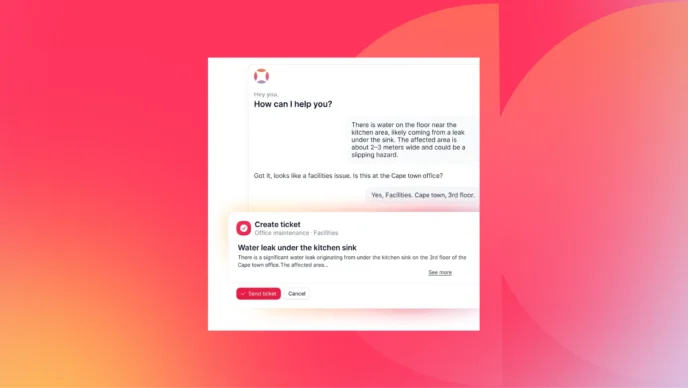
Factorial One can initiate AI screening calls when candidates reach a configured stage in the recruitment pipeline. The conversation is guided by the requirements established for the role. The aim is to gather relevant information directly from candidates and help recruitment teams progress through the initial screening stage. For businesses hiring at scale, this approach can reduce the amount of manual coordination required for initial screening. AI calls should be clearly disclosed to candidates, and businesses should handle recordings and candidate information appropriately.
3. Generate structured candidate evaluation reports
After the screening conversation, recruiters need to make sense of the information collected. Factorial One can prepare an evaluation report based on the screening conversation and the criteria configured for the role. The report can bring together relevant answers, insights, strengths and areas that may require further assessment.
Rather than relying solely on scattered notes, recruiters can use this information as part of a more structured review. For example, a recruiter assessing several candidates for a sales position could review the screening reports alongside their CVs and other application information. This provides a clearer starting point for deciding which candidates warrant further consideration.
AI-generated assessments are not a substitute for careful evaluation. Recruiters should review the information, consider its context and check that the assessment reflects the requirements of the role.
4. Move candidates through the recruitment pipeline
Screening is most useful when it connects to the wider hiring process.
Factorial One supports configured recruitment workflows in which candidate evaluations can inform whether applicants move to the next stage or remain for manual review. Hiring teams can define the criteria and minimum match level used for progression. Candidates who meet the configured threshold can move forward, while those who do not meet it remain available for manual review rather than being automatically rejected.
This distinction matters. Automating progression through the pipeline can reduce repetitive administration without removing the need for recruiters to review candidates and make final hiring decisions. The recruitment team remains responsible for ensuring that the configured criteria are appropriate, consistently applied and aligned with the organisation’s hiring practices.
What are the benefits of AI candidate screening?
When implemented thoughtfully, AI screening can help recruitment teams manage their workloads more effectively.
- Less manual coordination. Automating configured screening calls and preparing reports can reduce repetitive work involved in early-stage recruitment.
- More structured evaluations. Using role-specific criteria helps teams organise candidate information around the requirements of a position.
- A more manageable recruitment pipeline. Connecting screening to the recruitment workflow can help teams track progress and identify candidates who need further review.
- More time for candidate engagement. Reducing administrative tasks can give recruiters more capacity for interviews, discussions with hiring managers and communication that benefits from a personal touch.
- Better-informed next steps. Structured reports can help recruiters identify relevant strengths and questions to explore further before progressing candidates.
These benefits depend on the quality of the recruitment process, the criteria selected and the way the organisation implements AI screening. Businesses should measure their own results rather than assume that automation will produce the same outcomes in every hiring environment.
Why human oversight still matters in AI candidate screening
AI can help organise information and support screening, but recruitment decisions affect people’s livelihoods and opportunities. Businesses must therefore pay attention to how AI is used throughout the hiring process.
There are several considerations for HR teams.
- Define relevant criteria. Screening requirements should reflect the actual responsibilities and essential requirements of the role.
- Review candidate assessments. Recruiters should check reports for accuracy and consider information that may not be fully captured by an automated assessment.
- Avoid unfair screening practices. Businesses should evaluate whether their criteria and processes create unjustified barriers for particular candidates.
- Communicate transparently. Candidates should understand when AI is involved in screening and how their information is handled.
- Protect candidate information. Recruitment teams should manage access to CVs, screening records and recordings appropriately and consider their applicable data protection obligations.
For Kenyan employers, this includes assessing how recruitment workflows handle personal data under the Data Protection Act, 2019. AI should support a fair and consistent recruitment process, not replace accountability for hiring decisions.

Simplify recruitment with Factorial One
Recruitment teams need to spend time understanding candidates, assessing their potential and helping hiring managers make informed decisions. They should not have to manage every initial screening interaction manually.
Factorial One helps businesses streamline early-stage recruitment by supporting candidate screening calls, structured evaluations and configured progression through the recruitment pipeline.
Want to see how AI candidate screening could work in your business?
Book a demo to explore Factorial One’s recruitment capabilities and see how they could fit into your hiring process.