Download Your Free HR KPI Template
This resource is free! 🎉
Your HR KPI template will set you on the right track and help you identify key performance indicators in your company.
To receive your free template, simply fill in the form below, and we’ll send you an email with your HR KPI Excel freebie.
- KPIs provide targets for teams to shoot for
- KPIs set milestones to gauge progress
- KPIs help people across the organisation make better decisions
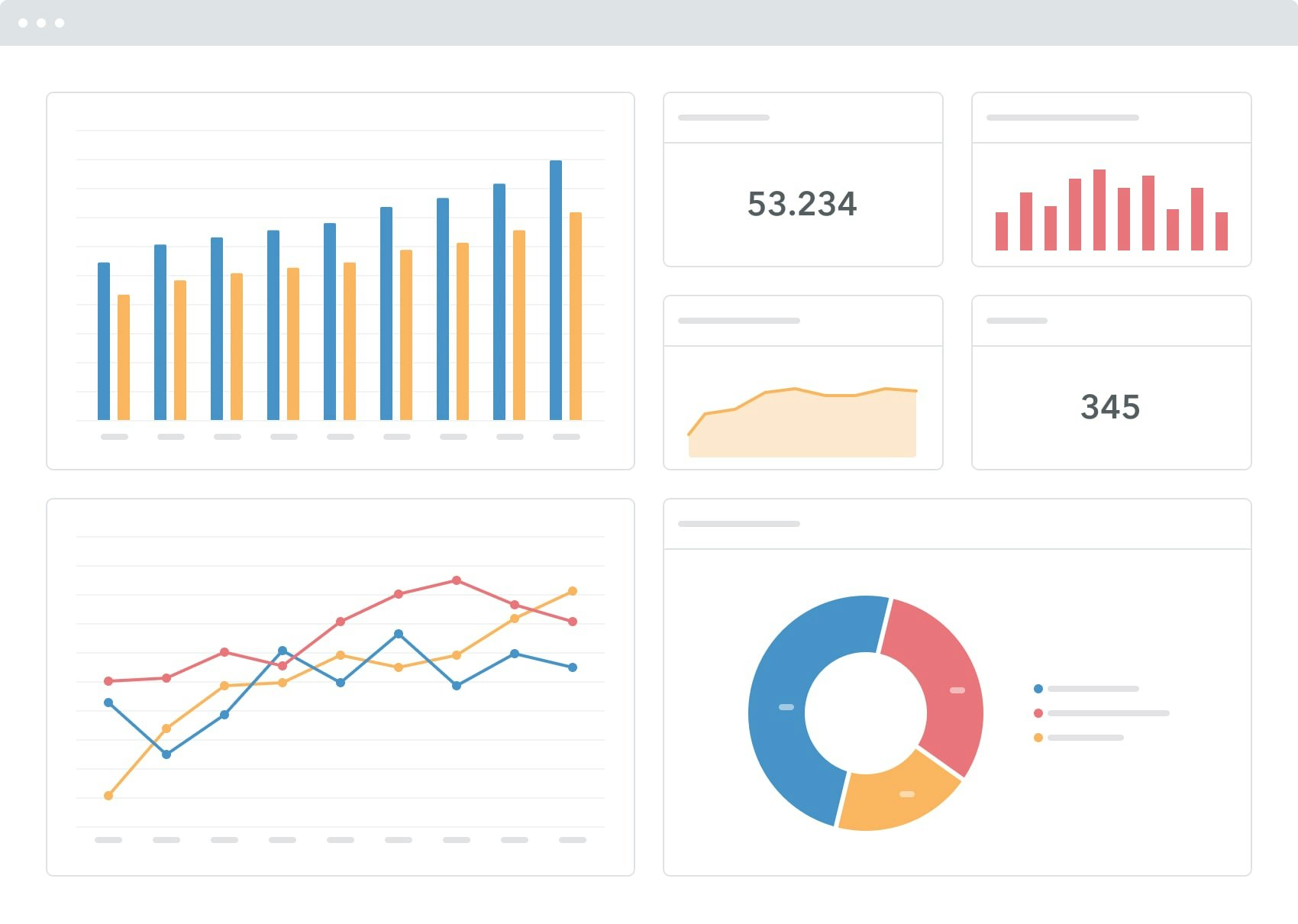
A complete tool to monitor your HR KPIs and your company's reports
Did you know that with our HR software, you can view and generate company reports, that will help you better plan your upcoming human resources strategy? Book a free demo of Factorial to see how HR software can help you save time and money.
What is a KPI template?
A KPI template is a structured document outlining Key Performance Indicators (KPIs) relevant to an organisation's goals. It typically includes KPI definitions, measurement methods, target values, and a timeline for assessment.
Why is a KPI template important?
A KPI template is a key part of performance management. It provides a standardised framework for defining, measuring, and tracking key metrics. By doing so, it drives clarity and consistency across teams. It can also align efforts with strategic goals, increasing data-driven decision-making!
How do you create a KPI template?
To create a KPI template, you must:
- Identify organisational goals, determine relevant KPIs, and define measurement criteria.
- Specify data sources, collection frequency, and responsible parties. Set target values.
- Design a clear, visually intuitive template with columns for KPI names, definitions, targets, actual values, and analysis.
- Regularly update the template for accuracy and relevance.
What are examples of KPI?
Using examples of KPI to create your template can help to start you off. A key performance indicator sample for each department within a company might look something like this:
Marketing:
- Return on Investment (ROI)
- Click-Through Rate (CTR)
- Lead Generation
Customer Service:
- Customer Satisfaction (CSAT)
- Net Promoter Score (NPS)
- First-Contact Resolution Rate
Finance:
- Profit Margins
- Cash Flow
- Return on Assets (ROA)
Human Resources:
- Employee Turnover Rate
- Training Effectiveness
- Time to Fill Open Positions
What is the difference between KPIs and metrics?
Key Performance Indicators (KPIs) are specific, strategic metrics directly tied to organisational goals. Metrics, more broadly, encompass a wider range of quantitative measurements that may or may not be directly aligned with strategic objectives.