Hiring can quickly become a slow, fragmented process. CVs pile up, interviews get delayed, feedback takes days, and good candidates may move on before you make a decision.
The solution isn’t to rush hiring decisions. It’s to build a clear, structured hiring process that removes unnecessary delays. Here are five practical steps to help you do that.
1. Define the role clearly before you start hiring
A slow hiring process can begin before the first CV arrives. If your hiring team isn’t aligned on what they’re looking for, screening becomes subjective and decisions take longer. Before publishing a job, clearly define:
- Responsibilities: What will this person be responsible for?
- Required skills: Which skills are essential?
- Experience: What level of experience is genuinely needed?
- Non-negotiables: Which requirements must a candidate meet?
The clearer the role, the easier it is for recruiters and hiring managers to assess candidates against the same expectations.
2. Create a consistent candidate screening process
When dozens of CVs come in, reviewing each one without a clear framework can make screening slow and inconsistent. A candidate scorecard gives your team a simple way to assess candidates against the same criteria.
Start by identifying four to six must-have criteria for the role, then assign weights and score candidates accordingly. This helps your team focus on the candidates who best meet the requirements instead of relying entirely on gut feeling.
The Hiring Playbook & Practical Toolkit includes a ready-to-use Candidate Screening Scorecard, including a scoring framework and interview evaluation criteria.

3. Reduce delays between interviews and decisions
Getting a candidate to the interview stage is only part of the process. Delays in collecting feedback or agreeing on the next step can keep candidates waiting unnecessarily.
Before interviews begin:
- Decide who needs to interview the candidate.
- Define what each interviewer should assess.
- Set a deadline for submitting feedback.
- Agree on who makes the final decision.
- Avoid unnecessary interview rounds.
A clear process makes it easier for everyone to know what happens next, while candidates aren’t left waiting for internal decisions.
4. Keep candidates moving through the hiring pipeline
A candidate can easily get lost when recruitment is managed across spreadsheets, inboxes and messaging platforms.
Your team should be able to quickly see:
- Who has applied
- Who has been screened
- Who is waiting for an interview
- Who has completed an interview
- Who is awaiting feedback
- Who has received an offer
A simple pipeline could look like:
Applied → Screening → Interview → Assessment → Final Interview → Offer → Hired
The Hiring Playbook & Practical Toolkit identifies manual CV screening, interview coordination, document creation and poor pipeline visibility as common sources of hiring delays.
5. Automate repetitive recruitment tasks
Once your hiring process is clear, identify the repetitive tasks that take up your team’s time.
These can include:
- Job posting
- CV screening
- Candidate tracking
- Interview scheduling
- Offer documentation
Automation can help your team handle these tasks more efficiently while leaving human decision-making where it matters most.
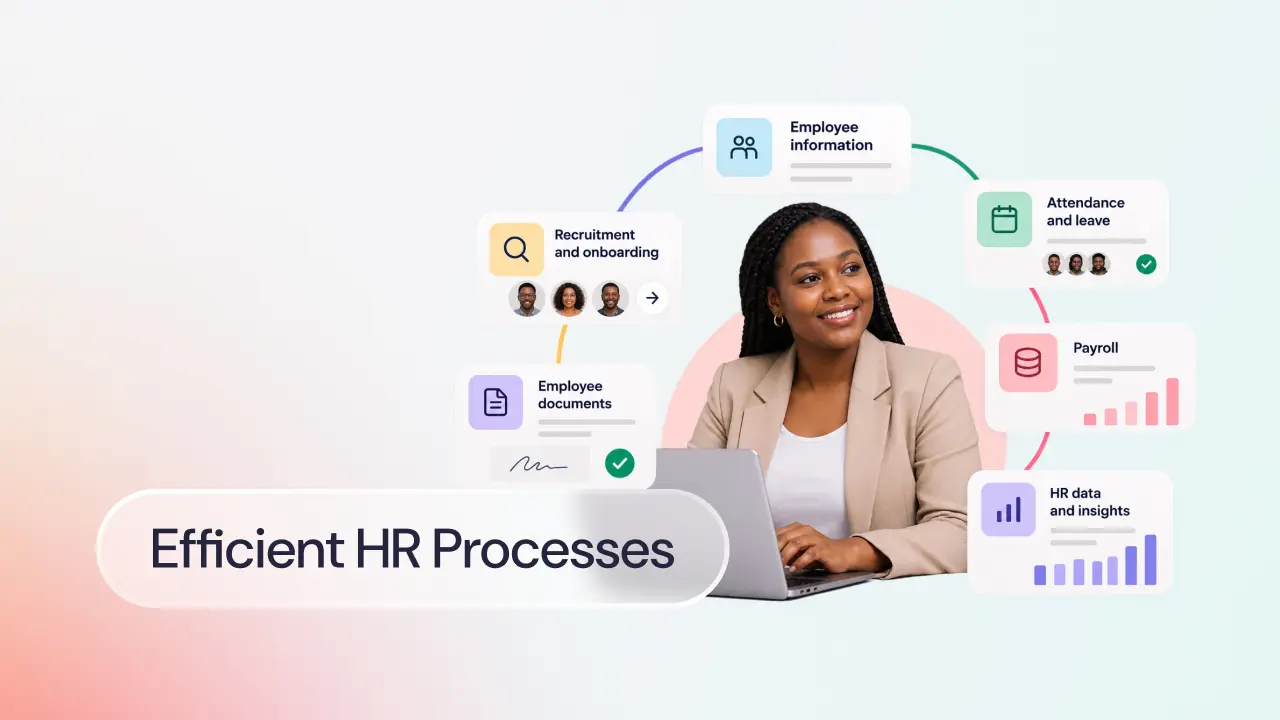
For example, Factorial’s recruitment tools bring job posting, candidate management, screening and hiring documentation into one place, helping teams maintain visibility throughout the recruitment process.
Get the Free Hiring Playbook & Practical Toolkit
Improving your recruitment process is a good start, but hiring doesn’t end when a candidate accepts an offer.
That’s why we created the 2026 Hiring Playbook & Practical Toolkit for Kenyan business owners, HR leads and operations managers. It brings together practical tools you can use across recruitment, onboarding, compliance, attendance and retention.
What’s inside?
- Candidate Screening Scorecard
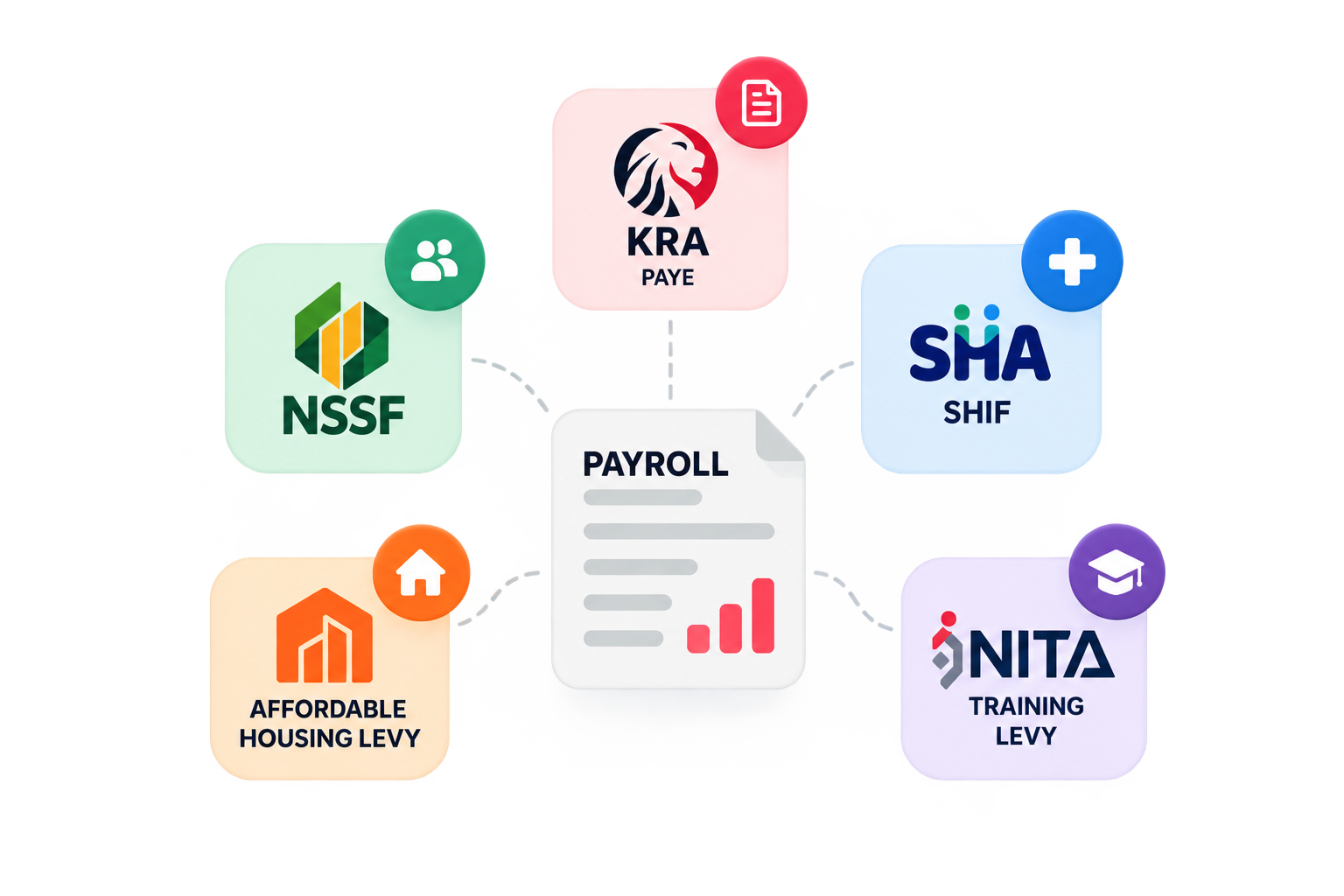
- Kenya Statutory Compliance Calendar
- 30-60-90 Day Onboarding Checklist
- Attendance Policy & Stay-Interview Framework
- Practical HR guidance
Build a hiring process that moves with your business
A faster hiring process isn’t about cutting corners. It’s about creating clarity, reducing unnecessary delays and giving everyone involved a clear next step.
Start by defining the role, screening candidates consistently, setting clear interview timelines, keeping candidates visible throughout the pipeline and automating repetitive tasks. And as your business grows, you can apply the same approach to other parts of the employee lifecycle, from onboarding and payroll to attendance and performance management.
Ready to see how Factorial can help you bring these processes together in Kenya? Book a demo.