In organisations of all sizes, HR processes can quickly become disjointed. Employee information may sit across spreadsheets, emails, paper forms and separate systems, making everyday tasks slower and harder to manage. A more connected approach can reduce administrative work, improve visibility and help your business manage its growing workforce more efficiently.
What Are Disjointed HR Processes?
Disjointed HR processes happen when different parts of employee management operate separately, with information spread across multiple tools, files or people.
For example, a business might use:
- A spreadsheet for employee records
- Paper or spreadsheets for attendance
- Email or WhatsApp for leave requests
- A separate system for payroll
- Folders for employee contracts and documents
- Email threads for recruitment and onboarding
Each process may work on its own. The challenge comes when information needs to move from one process to another.
An employee’s attendance may need to inform payroll. A leave request needs to update their leave balance. A new hire needs to move from recruitment to onboarding and employee management.
When those processes aren’t connected, HR teams spend more time moving information between them.
The Factorial “Overcoming Business Management Challenges” guide describes this broader problem as HR information that is “scattered, manual, and hard to act on in real time.”
How Disjointed HR Processes Affect Your Organisation
The impact of fragmented HR processes goes beyond administrative inconvenience. The ebook identifies four areas where broken systems can create business costs: time, accuracy, compliance and growth capacity.
1. They consume valuable time
HR teams and managers can spend hours reconciling attendance, chasing leave approvals and transferring information between spreadsheets. Tasks that could take minutes can turn into repeated manual work.
2. They increase the risk of errors
Every time information is manually copied or re-entered, there is another opportunity for something to be recorded incorrectly. This can affect employee records, attendance information and payroll.
3. They make compliance harder to manage
Kenyan employers need to keep track of changing statutory and employment requirements. When employee and payroll information is fragmented, maintaining accurate and accessible records becomes more difficult.
The Overcoming Business Management Challenges guide highlights several areas that employers need to monitor, including SHIF, NSSF, the Affordable Housing Levy and minimum wage changes.

4. They can limit business growth
A process that works for a small team may become difficult to manage as the workforce expands. Systems that work for around 15 employees can start breaking down at 50 because the administrative processes haven’t scaled with the business.
5 Ways to Build More Efficient HR Processes
Here are five practical ways to build more efficient HR processes.
1. Centralise Employee Information
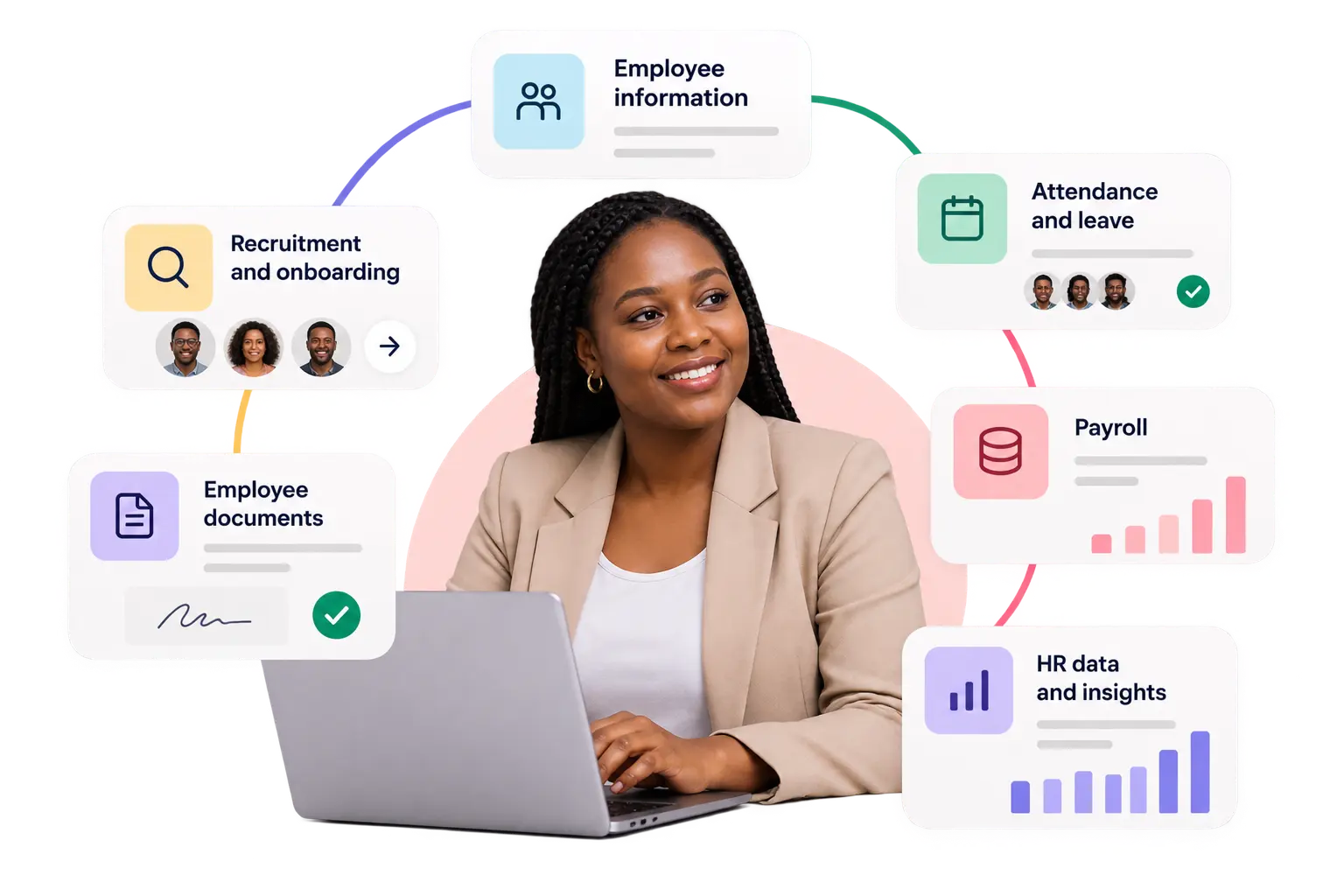
When employee information is spread across different files and systems, finding and updating records becomes unnecessarily difficult. A centralised approach gives HR teams and managers one place to access relevant employee information.
Consider bringing together:
- Employee records
- Employment contracts
- HR documents
- Leave information
- Attendance data
- Payroll information
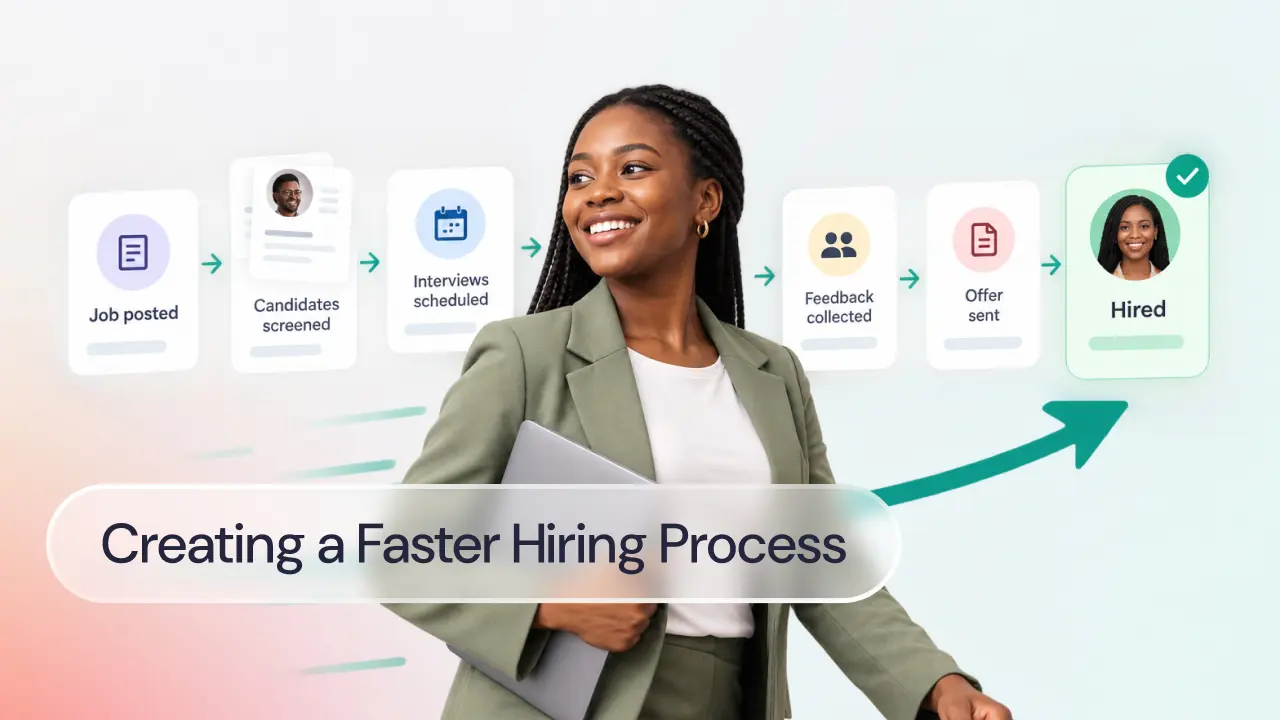
- Recruitment and onboarding records
Centralisation also reduces the need to repeatedly enter the same information into different systems.
2. Automate Time, Attendance and Leave
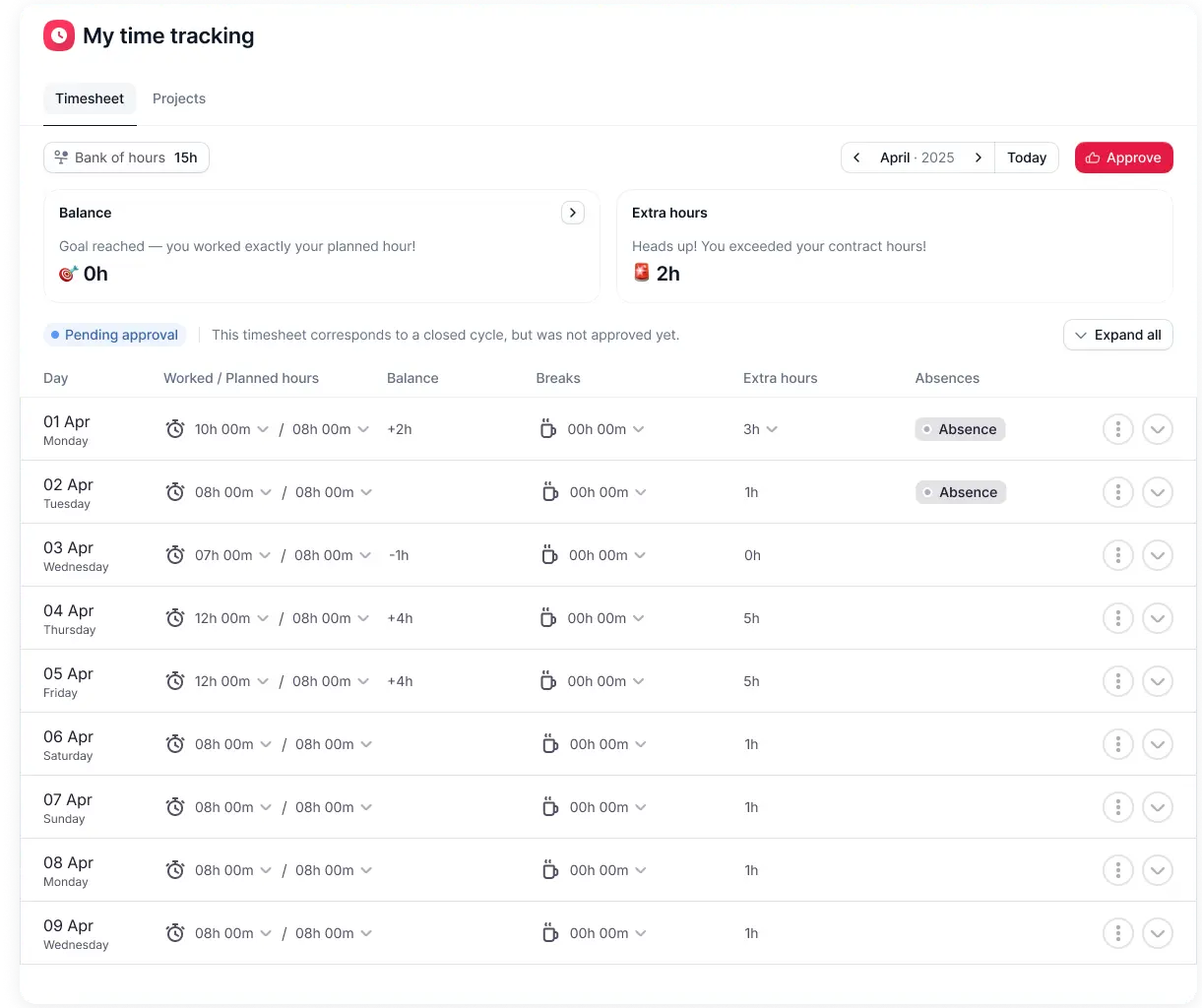
Attendance and leave are two areas where manual processes can quickly create unnecessary work. Paper sign-in sheets, spreadsheet attendance logs and manual leave tracking can result in delayed approvals and inconsistent information. A more efficient process can allow employees to:
- Clock in and out digitally
- Submit leave requests online
- Check their leave balances
- Receive approvals digitally
Managers can also get better visibility into attendance and leave without relying on HR to manually compile information.
Ask yourself:
Can a manager see their team’s attendance for this week without asking HR?
If the answer is no, your business may have a workforce visibility gap.
3. Connect HR Processes With Payroll
Payroll shouldn’t depend on manually collecting information from several different sources every month. Attendance, overtime, absences and leave can all influence payroll. When these processes operate separately, HR teams may have to reconcile the information manually before payroll can be processed. A connected process allows information to flow more smoothly between:
Attendance → Leave → Payroll → Employee records
This can reduce repetitive data entry and make it easier to maintain accurate payroll information.
It also becomes useful when statutory requirements change.
4. Digitise Employee Documents and Approvals
Employee management involves a constant flow of documents, from employment contracts and policies to disciplinary records and other HR documentation. When these are stored across physical files, email attachments and different folders, retrieving the right document can become unnecessarily time-consuming.
Digitising document management can make it easier to:
- Create documents
- Send them for approval
- Collect signatures
- Store records
- Retrieve documents when needed
This is particularly relevant for compliance.
5. Use HR Data to Make Better Decisions
Efficient HR processes should do more than reduce administration. They should also give managers better information about their workforce.
Connected HR data can provide visibility into:
- Attendance patterns
- Leave usage
- Employee performance
- Recruitment
- Onboarding
- Workforce trends
- Potential retention issues
This gives managers more information to work with when making workforce decisions.

What Does an Efficient HR Process Look Like?
An efficient HR process should make information easier to access and reduce the amount of manual work required to move it from one stage to another.
Look for processes that provide:
- One source of employee information
- Connected workflows
- Automated routine tasks
- Real-time workforce visibility
- Easy access to employee documents
- Better payroll accuracy
- More accessible HR data
The goal isn’t to add more complexity. It’s to remove unnecessary steps between the information your business collects and the decisions your people need to make.
Want to Understand the Bigger Business Management Challenges?
Disjointed HR processes are one part of a wider challenge facing growing businesses.
The Overcoming Business Management Challenges guide explores four areas that can affect Kenyan employers: the cost of broken systems, changing labour laws, workforce visibility, and attracting and retaining talent when budgets are tight.
Bring Your HR Processes Together With Factorial
Managing employee information across multiple disconnected processes can become harder as your business grows.
Factorial brings core HR workflows together, including employee management, time and attendance, leave, payroll, recruitment, onboarding and document management.
Factorial business management software is designed to replace fragmented HR habits with a connected system that HR teams, managers and employees can use.
Book a demo with Factorial and get a guided tour of the platform.