An annualised hours contract sets an employee’s contractual working time as an agreed total for the year, rather than a fixed number of hours each week. This arrangement gives flexibility over when those agreed hours are worked, making it useful where demand changes predictably across the year.
In this article, we’ll explain annualised hours contracts, how they work, and how to know if they’re a good fit for your organisation.
Table of Contents
- Key Facts
- What are Annualised Hours?
- What is an Annualised Salary?
- Benefits of Annualised Hours
- What is an Annualised Contract?
- How do you Calculate Annual Hours?
- Pros and Cons of an Annualised Hours Contract
- Legal Considerations of Annualised Hours
- How do you Calculate Annualised Hours Holiday Entitlement & Pay?
- How to Create an Annualised Hours Policy
- Optimising Annualised Hours with HR Software
Key Facts
- Annualised hours set a contractual total of working hours over a 12-month period, while weekly schedules can vary.
- In the UK, the government website states that working time must normally average no more than 48 hours a week across a 17-week reference period.
- For eligible irregular-hours and part-year workers, GOV.UK confirms that statutory holiday accrues at 12.07% of actual hours worked.
- Where pay is smoothed, an annualised-hours policy can provide for 12 equal monthly instalments.

What are Annualised Hours?
Annualised hours refer to a flexible type of employment contract where an employee’s working hours are calculated annually rather than weekly or monthly. Instead of adhering to a fixed weekly schedule, employees agree to a total number of contractual hours for the year. The contract should state how hours are allocated between peak and quieter periods, how changes are communicated, and how any credit or deficit of hours will be managed. A policy template distinguishes rostered hours from unallocated hours.
The striking feature of annualised hours contracts is that they adapt working hours to accommodate fluctuations in demand, workload, or seasonal variations. The agreement typically outlines the total number of hours the employee is expected to work over the year, but the specific schedule may vary from week to week or month to month. But for employers, this may be the dream scenario, as they can better match workforce availability with business needs.
In practice, during busier periods, employees might work more hours, while during quieter times, they may work fewer hours, which is particularly beneficial for industries or companies with cyclical patterns of demand or project-based work. It provides a level of adaptability for employers to manage resources efficiently and for employees to maintain a work-life balance.
What is an Annualised Salary?
An annualised salary is remuneration expressed as a yearly amount and commonly paid in equal regular instalments. It does not, by itself, determine the employee’s working pattern, overtime arrangements or annual-hours obligations. GOV.UK explains that salaried-hours work requires contractual basic hours that can be calculated over the year. The annualised salary is calculated by multiplying the employee’s monthly or weekly salary by the number of pay periods in a year. So, while annualised hours focus on the variable aspect of working time, annualised salary focuses on the fixed aspect of compensation.
Sometimes, an annualised salary may be combined with an annualised hours arrangement. For example, an employee on an annualised salary might have the flexibility to work varying hours each week based on business needs, with the assurance of a consistent salary at the end of the year.
Annualised Hours Vs. Salary Comparison Chart
If you are looking to understand the difference between annualised hours and a salary approach, our quick-glance table can help you get a grip on the basics:
| Annualised Hours | Salary | |
| Flexibility of Hours | Offers flexibility, total hours are fixed, but weekly hours can vary | Limited or no flexibility as employees typically work the same number of hours each week |
| Predictable Pay | Pay may be spread across 12 equal monthly instalments or paid for work completed, depending on the contractual arrangement. | Pay is predictable; pay and hours are consistent |
| Employee Work-life Balance | Supports better work-life balance through flexibility, although peak periods can create challenges | Fixed hours can provide a stable routine but limit the flexibility to work hours that support work-life balance |
| Compensation Fluctuations | Greater chance of variation in compensation across the year, depending on the contract | Minimal fluctuations in compensation across the year |
| Response to Demand | Highly responsive: hours can change depending on the workload | Less responsive: can be challenging to manage periods of peak demand |
Benefits of Annualised Hours
There are several potential benefits to annualised hours, especially in sectors such as retail, hospitality and agriculture, where demand varies materially across the year:
What industries use annualised hours contracts?
Industries that experience peaks or cycles in demand for their services may use annualised hours contracts. These include retail, hospitality, education, healthcare and social care, local government, manufacturing, transport and logistics, and agriculture.
- Flexibility and Alignment
Employers can match staffing levels to their business’s demands, increasing hours during busy periods and reducing them during quieter ones, without changing contracts. On the other hand, employees may benefit from using time during quieter periods to meet demands in their private lives, such as childcare or caring for elderly relatives.
- Predictable Pay
Pay is confirmed throughout the year, allowing employees to plan their finances even when their weekly hours fluctuate. Predictable salary costs also help businesses to budget and forecast.
- Reduced Overtime Costs
Using annualised hours allows businesses to build the peaks and troughs in demand (and the associated employee costs) into their financial plans for the year. Doing so can help to avoid costly overtime expenses during peak periods.
- Workforce Planning
Annualised hours arrangements can give managers a clearer view of contractual hours, forecast staffing requirements and expected peak periods throughout the year.
- Support for Work-Life Balance
Employees in roles with intense work periods, such as retail, education and health services, may appreciate the chance to have quieter periods to spend more time on their personal lives.
- Employee Retention
Annualised hours allow organisations to offer contracts that pay employees year-round despite seasonal fluctuations in workload. Instead of temporary or seasonal contracts, employees can have stable, secure contracts which makes them more likely to stay with the organisation and be more productive.

How Annualised Hours Improve Employee Well-being
Annualised hours can improve employee well-being by providing a stable income throughout the year and clear expectations about the required working hours. By receiving a consistent salary, employees can reduce financial stress even when their hours fluctuate. The combination of income security and clarity of expectations allows employees to feel more control over their schedules and their lives and to make plans accordingly.
Using business management software like Factorial can support employee well-being by helping teams track hours, monitor absences, and maintain records. The system supports better communication, easy access to contracts and policies, and automatic payroll management, helping employees feel informed, supported, and confident that their well-being is a priority.
What is an Annualised Contract?
An annualised contract is an employment agreement that outlines terms and conditions where an employee’s working hours, pay, and other employment-related factors are calculated annually. This type of contract flexibly distributes working hours across different periods within the year, allowing for variations in workload or seasonal demands. An annualised contract often provides adaptability for both employers and employees in managing work schedules and ensuring that compensation aligns with the actual time worked.
How do you Calculate Annual Hours?
Calculating annualised hours starts with the employee’s contractual annual total, not a national average. Then map those hours across the agreed planning periods, allowing for peak demand, paid leave, rest requirements and any agreed flexibility.
For example, if an employee’s contract requires 1,500 hours in an annualised-hours year and the employer uses 12 planning periods, the average planning figure is 125 hours a month. If the employee works more hours than the regular agreed-upon annual hours, determine how overtime is handled, whether it’s through additional pay, time off in lieu, or other arrangements specified in the employment contract.
Annualised hours calculation example
- Confirm the annual contractual total, for example 1,500 hours.
- Deduct any hours already treated separately under the contract, such as paid leave or agreed exclusions.
- Allocate planned hours across the year, with higher allocations for forecast peak periods.
- Review actual hours monthly against the planned balance and address significant credits or deficits early.

Pros and Cons of an Annualised Hours Contract
Annualised hours contracts offer employers a valuable tool for adapting to fluctuating workloads and seasonal demands, which is a great way to efficiently manage staffing levels based on the ebb and flow of their operational needs, reducing the need for excessive overtime or the costs associated with hiring additional staff during peak periods. These contracts also give employees the freedom to allocate their time more flexibly, accommodating personal commitments or lifestyle preferences.
What are the benefits of introducing annualised hours at my company?
Annualised hours contracts can offer greater flexibility and improve planning, forecasting and budgeting for employers and employees. When implemented fairly, they may also support retention and productivity.
However, annualised hours contracts come with their share of challenges. The variability in working hours may result in employee income fluctuations, introducing budgeting and financial management complexities. Employees may face the risk of overwork during busy periods, potentially leading to burnout or strained personal lives. The calculation of pay under such contracts can also be intricate, posing administrative challenges for employers, and effective communication becomes paramount to ensure both parties are aligned on expectations.
As with many HR decisions, introducing annualised hours requires heavy thinking.
Legal Considerations of Annualised Hours
While annualised hours contracts offer employers flexibility in terms of how they contract and pay employees, they come with significant legal obligations.
- Working Time Regulations 1998: annualised hours arrangements must comply with the 48-hour average weekly limit, normally calculated across 17 weeks, alongside applicable rest-break and daily-rest rules. A worker may exceed 48 hours in an individual week if the average remains below 48 hours, unless a valid opt-out applies.
- Minimum Wage: employers must ensure that their employees’ wages do not drop below the requirements set out in minimum wage legislation. From 1 April 2026, the National Living Wage for workers aged 21 and over is £12.71 per hour. For salaried-hours work, employers are required to calculate the contractual basic annual hours and divide them across the relevant pay periods when checking minimum-wage compliance.
- Calculation of hours: contracts must specify total annual hours, core (guaranteed) and flexible hours, the pay structure and rules for overtime.
- Changes to schedules: there is no universal statutory requirement for 7 to 14 days’ notice. The contract or policy should state how much notice applies, and any flexibility clause must be used reasonably. A flexibility clause cannot justify unreasonable contractual changes.
- Holiday entitlement: employers must support the statutory minimum holiday requirements and have a legal obligation to avoid creating barriers to employees taking leave.
- Changes to the contract: introducing annualised hours will usually require consultation, agreement and written confirmation of the revised terms. Employers should also check whether an existing flexibility clause applies and whether using it would be reasonable. Permanent agreed flexible-working changes should be confirmed in writing.
- Record keeping: employers must retain accurate records of the hours worked, breaks taken, opt-outs from the 48-hour week and night shifts.
- Equality: employers must ensure scheduling is fair and that hours are allocated consistently, so that no group or individual is disadvantaged by an annualised hours contract. These contracts can pose a particular risk in terms of discrimination to part-time and disabled employees, and those with caring responsibilities.
- Health and safety: employers must ensure that workloads during peak periods do not lead to undue stress or fatigue, which can pose a health and safety risk. Risk assessments must be adjusted for fluctuating workloads.
Can employees switch between annualised hours and standard contracts?
Employees can switch between annualised hours and standard contracts, but this will usually require consultation, agreement and written confirmation because it changes working conditions. Employers should not impose contractual changes without considering whether an existing flexibility clause applies and whether its use would be reasonable. Imposed changes may create breach-of-contract and, in some circumstances, unfair-dismissal risks.
How do you Calculate Annualised Hours Holiday Entitlement & Pay?
Holiday entitlement for annualised-hours workers depends on the contractual pattern and whether the worker is classed as an irregular-hours or part-year worker under the Working Time Regulations. For eligible irregular-hours and part-year workers whose leave year began on or after 1 April 2024, GOV.UK confirms that entitlement accrues at 12.07% of actual hours worked in each pay period. The method does not automatically apply to every flexible or annualised-hours arrangement.
When determining holiday pay, distinguish between entitlement and pay. 4 weeks of statutory leave must be paid at normal pay, which can include regular overtime, commission and certain regular payments, while the remaining 1.6 weeks may be paid at basic pay.
How to Create an Annualised Hours Policy
If you or your organisation are considering introducing annualised hours for your workforce, there are a few key steps that you should take before the go-ahead. Here are a few key things to keep in mind when pursuing this avenue:
- Define the Annual Working Hours: Establish the total number of hours employees are expected to work in a year.
- Determine the Distribution Period: Decide the timeframe over which the annual hours will be distributed, which could be weekly, monthly, or quarterly, depending on the nature of the business and the agreement between the employer and employee.
- Specify Flexibility and Adjustments: Clearly articulate the flexibility in working hours and the conditions under which adjustments can be made. Define how employees can request schedule changes and how the approval process works, ensuring fairness and transparency.
- Calculating Pay and Benefits: Specify whether the annual salary is fixed or if it can be adjusted based on variations in working hours. Include information on how benefits, such as overtime pay or additional allowances, will be handled.
- Overtime and Additional Compensation: Outline the policy regarding overtime payments, detailing which options will be available and addressing any circumstances where additional compensation may be applicable, such as working on holidays or weekends or annual holiday entitlement.
- Communication and Record-Keeping: Emphasise the importance of effective communication between employers and employees regarding schedule changes, adjustments, and any other relevant matters, including the record-keeping procedures for tracking actual hours worked, holidays taken, and any deviations from the agreed-upon schedule.
What should an annualised hours policy include?
- The annualised-hours year and total contractual hours.
- Rostered peak-period hours and any unallocated hours.
- Rules for recording time, breaks, leave and sickness absence.
- Monthly review points, credit and deficit limits, and carry-forward rules.
- Procedures for starters, leavers, contract changes and disputes.
A policy template supports documenting how annualised hours, payment arrangements and contractual changes will operate.
For ongoing oversight, Factorial’s time tracking tools can help HR teams compare planned and actual hours, monitor absence records and maintain a central audit trail for annualised-hours arrangements.
Optimising Annualised Hours with HR Software
HR software such as Factorial can support your business to optimise how its annualised hours contracts work in several ways. Not only do these systems centralise operations, automate processes and simplify the manual work involved, they can specifically support annualised hours contracts by allowing you to accurately track hours worked, schedule rotas to reflect the contracts, communicate with employees so that they understand the requirements of their contract and how they will be paid, and automate payroll so it reflects the annualised hours contract. Crucially, tools like Factorial offer easy-to-use dashboards with detailed reporting and analytics on when, where, and how your workforce is working – providing the essential information required to make annualised hours contracts work to your advantage.
How can Factorial help me manage annualised hours contracts?
Factorial’s business management software can help manage annualised hours contracts in the following ways:
- Tracking hours worked, leave and absences to support working-time record keeping.
- Workforce scheduling and mapping working patterns so organisations can identify quiet and busy periods.
- Supporting salary payments, overtime calculations and payroll processes, depending on configuration.
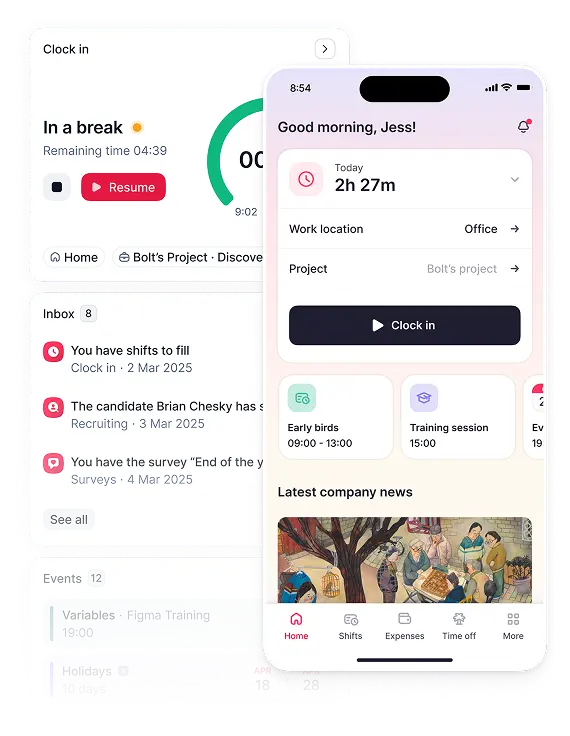
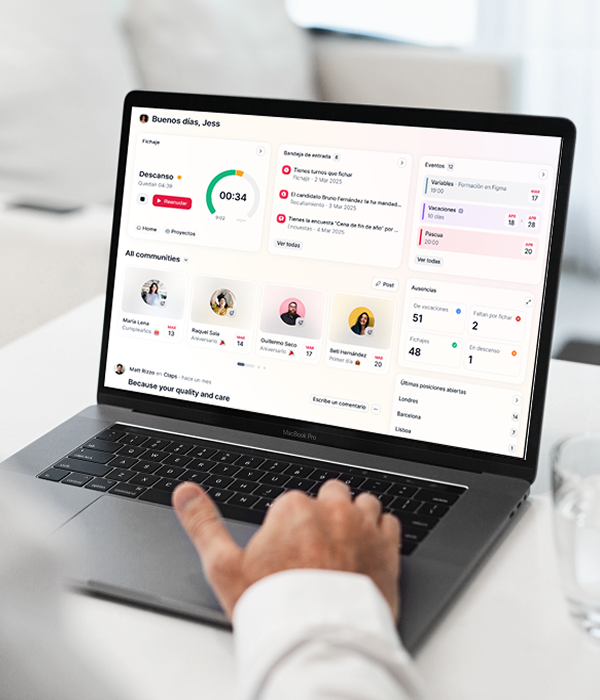
- Providing an employee dashboard so individuals can review hours worked, company updates, documents and policies.
- Using engagement surveys, overtime trends and performance-management tools to monitor well-being and productivity.
FAQ
What do annualised hours mean?
Annualised hours are a type of employment contract where working hours are calculated over a full year rather than weekly or monthly. This allows employers to schedule more hours during busy periods and fewer during quiet times to match fluctuating business demand.
What are the disadvantages of annualised hours?
For employees, disadvantages include potential income fluctuations and the risk of burnout from working long hours during peak seasons. For employers, managing complex schedules and ensuring compliance with working time regulations can be administratively challenging without a robust system.
How do I calculate my annualised hours?
To calculate annualised hours, you determine the total number of hours an employee is contracted to work over the year. This total is then distributed across different periods, like weeks or months, based on the business’s operational needs as outlined in the employment contract.
What is an annualised hours allowance?
An annualised hours allowance is the total number of working hours an employee is contracted to complete over a one-year period. This agreed-upon total serves as the basis for scheduling work flexibly throughout the year to meet the company’s changing demands.
Is it legal to work 60 hours in a week?
Working 60 hours in a single week can be legal, but UK regulations state that an employee’s average weekly hours must not exceed 48 over a 17-week period. An employee can choose to opt-out of this 48-hour limit in writing.