When writing a maternity leave letter, you want to inform your employer and secure your leave clearly and professionally.
This article breaks down the must-have elements of your letter, the timing for delivery, and how to structure your leave. We offer real-world samples and actionable steps to ensure you craft a letter that respects your new family needs and workplace commitments.
Table of Contents
- Key Facts
- What is a Maternity Leave Letter?
- How Do You Write a Maternity Leave Request?
- How Should You Structure a Maternity Leave Plan?
- What Should a Maternity Leave Letter Include?
- What Should an Employer’s Maternity Leave Confirmation Letter Include?
- What Are Maternity Leave Best Practices for Employees and Employers?
Key Facts
-
- A maternity leave letter records your pregnancy, expected week of childbirth and intended leave start date.
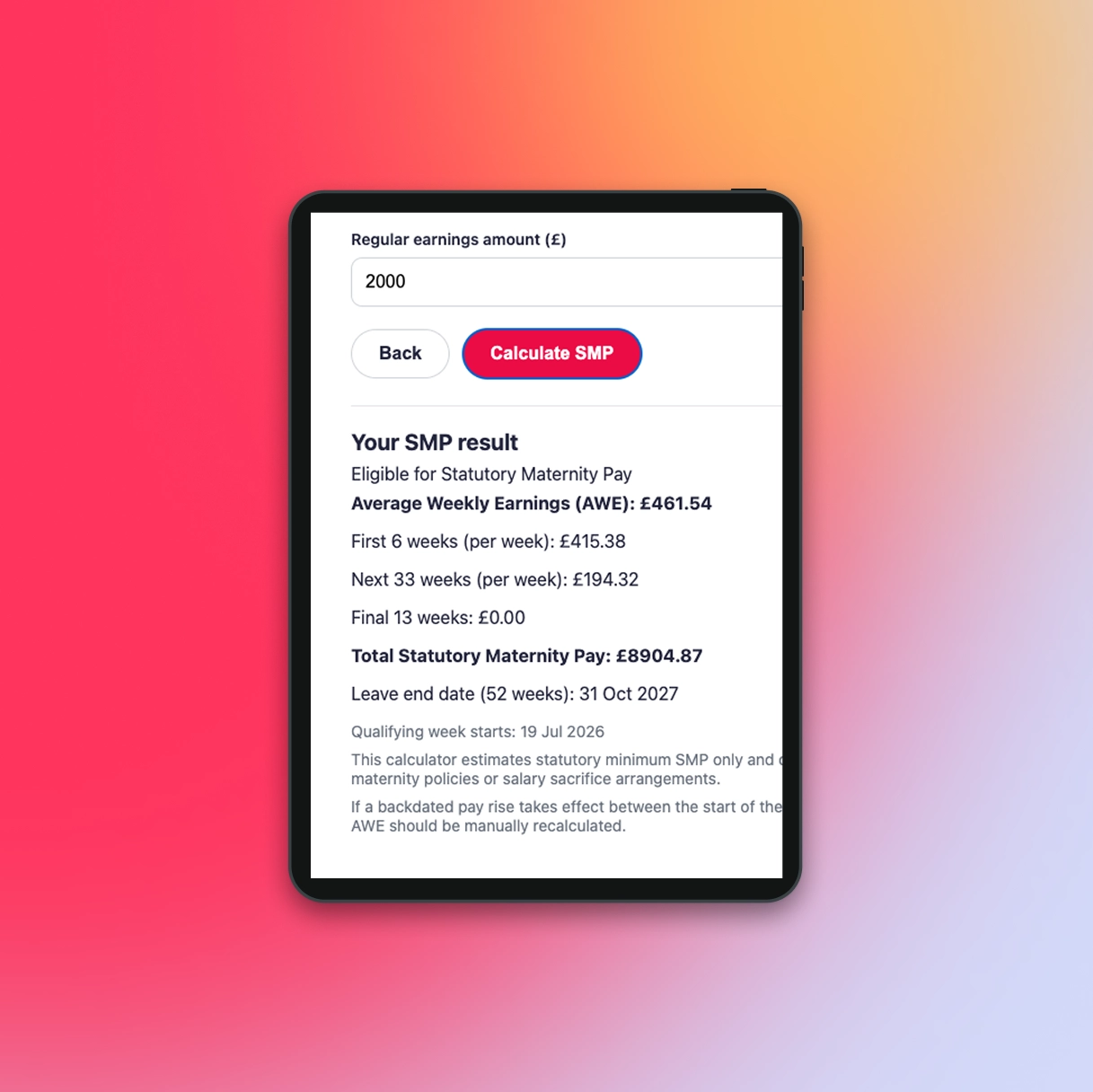
- GOV.UK states that eligible employees can take up to 52 weeks of statutory maternity leave.
- GOV.UK states that Statutory Maternity Pay lasts up to 39 weeks, leaving a potential 13-week unpaid period for employees taking full leave.
- GOV.UK states that employees can use up to 10 agreed Keeping in Touch days during maternity leave.
What is a Maternity Leave Letter?
A maternity leave letter is a formal document that officially announces the pregnancy of working expectant mothers and their intention to take a leave of absence. This letter sets clear expectations for maternity leave and starts the process for any applicable Statutory Maternity Pay arrangements. Eligibility for Statutory Maternity Pay depends on separate service, earnings, notice and evidence requirements. GOV.UK confirms that maternity leave and Statutory Maternity Pay have different eligibility rules.

This letter serves dual purposes: informing an employer about a pregnancy and initiating the maternity pay arrangements process. But remember, a maternity leave letter is more than just a notice about your departure – it’s a critical step to protect your rights and ensure a smooth transition during this significant life change.
How Do You Write a Maternity Leave Request?
Creating your maternity leave request requires detailed thought and careful attention. It’s not just about informing your employer about your pregnancy, it’s about setting clear expectations for your time away and providing essential information while maintaining a professional and respectful tone.
The Essentials of Your Letter
The initial step in creating your maternity leave letter is incorporating the essential information. This starts with your name and address at the top of the letter, followed by a clear statement of your intention to take maternity leave. You should also specify your due date and the planned start date of your maternity leave, ensuring your employer understands your timeline.
If you are also claiming Statutory Maternity Pay, provide your employer with proof of the expected week of childbirth, such as a MATB1 certificate or a letter from a doctor or midwife. GOV.UK states that this evidence is required for Statutory Maternity Pay, not for statutory maternity leave, and should normally be provided within 21 days of the SMP start date.
Lastly, don’t forget to include your preferred method of communication during your leave and, if you prefer, your expected return date.
Timing Your Request
When you submit your maternity leave request is of significant importance. Tell your employer no later than the end of the 15th week before the expected week of childbirth, or as soon as reasonably practicable if that is not possible. If you are claiming Statutory Maternity Pay, give at least 28 days’ notice of the date you want SMP to start. These are separate notice requirements.
Early notification not only helps your employer plan, but it also safeguards your rights. By providing further written details about your pregnancy, the expected week of childbirth, and your desired start date for maternity leave, you’re taking the necessary steps to ensure a smooth transition into this new chapter of your life, including attending antenatal appointments.
Addressing Your Employer Properly
How you address your employer can set the tone for your maternity leave letter. Even if you have a close relationship with your employer or work in a small company, it’s essential to maintain a professional and respectful tone in your letter. A formal salutation, such as ‘Dear [Employer’s Name]’, sets the right tone for your request.
This formal mode of address shows respect and helps maintain clarity and professionalism in your letter. It’s a crucial aspect of your maternity leave request to ensure your message is taken seriously and your rights are respected.
How Should You Structure a Maternity Leave Plan?
A detailed maternity leave plan ensures a smooth transition during your absence. This plan, which should be divided into pre-, during, and after-leave sections, outlines expectations and responsibilities, making it easier for all parties to manage this period effectively.
Preparing Colleagues for Your Absence
Preparing your colleagues for your absence is vital to your maternity leave plan. This can be achieved by creating handover documentation for each project and responsibility you’re handling. These documents serve as a guide for your colleagues, helping them understand and manage your work during your absence.
To ensure a smooth transition, schedule handover discussions and provide all relevant contact information for inquiries during your maternity leave. Compiling these notes systematically over time is recommended, rather than rushing them in your final week. This thoughtful preparation not only eases the transition for your colleagues but also gives you peace of mind as you approach your maternity leave.
Keeping in Touch Days (KIT)
Another integral component of your maternity leave plan is Keeping in Touch (KIT) days. These are up to 10 workdays that you can use to stay connected with your workplace during your maternity leave. KIT days can support your cover, maintain workplace relationships, and ease your reintegration upon your return.
Your maternity leave plan can include a schedule for these KIT days, outlining when and how you’ll be in touch. This can be organised through a discussion with your manager or the relevant point of contact at your workplace. KIT days are voluntary and must be agreed by both the employee and employer. Agree pay before the work is carried out, and ensure it is not below the National Minimum Wage. Working part of a KIT day counts as one full day.
What Should a Maternity Leave Letter Include?
To contextualise all this information, we’ll examine some professional samples of maternity leave letters. These writing samples can be adapted to various workplace environments and job roles, providing a practical guide to crafting your letter.
Mat Leave Letter Sample for Standard Office Settings
A standard maternity leave letter should adhere to a clear structure in an office setting. It should start with a formal notification of your pregnancy, followed by the expected week of childbirth and your proposed start date for maternity leave.
Although a standard letter is a good starting point, each situation’s uniqueness should be remembered. A maternity leave letter should be personalised to cater to your specific circumstances, including your workplace environment and job role.
Remember, this letter serves as an official document. All relevant dates, including your baby’s due date, are essential for confirmation and full disclosure. Clear, straightforward communication helps your employer plan for your absence and protect your rights.
Dear [Supervisor’s Name],
I am writing to tell you that I am pregnant. My baby is due in the week beginning [Expected Week of Childbirth], and I would like to start my maternity leave on [Maternity Leave Start Date]. These are the key points for employee notification.
Please confirm my statutory and contractual maternity leave and pay arrangements, including my expected return-to-work date if I take the full leave entitlement. GOV.UK states that employers must confirm the leave start and end dates within 28 days of receiving notice.
During my absence, I am committed to ensuring a smooth transition of my responsibilities. I am in the process of documenting my current projects and tasks, and I am more than willing to train a temporary replacement or provide guidance to a colleague who will be covering for me.
I am aware of the importance of maintaining open communication during my leave, and I will make myself available via email for any urgent matters that may arise. Additionally, I am confident in the capabilities of my colleagues and am sure that the team will continue to excel in my absence.
I would appreciate it if we could schedule a meeting to discuss the transition plan and any additional details you may require. I am committed to ensuring a smooth handover and returning to work fully prepared.
Thank you for your understanding and support during this exciting yet challenging time. I look forward to returning to the team and resuming my responsibilities on [Expected Return Date].
Sincerely,
[Your Name]
What Should an Employer’s Maternity Leave Confirmation Letter Include?
How about the employer’s role in this process? After receiving a maternity leave request, the employer must respond with a confirmation letter acknowledging the request and providing critical information about the leave.
Confirmation Letter Essentials
In the maternity leave process, the employer’s confirmation letter holds significant importance. This letter should acknowledge the receipt of the maternity leave request, reference the employee’s original letter, and outline the statutory leave entitlement of 52 weeks.
In addition to acknowledging the request, the confirmation letter should provide the following details:
-
-
- Approved start and end dates of the leave
- Employee’s entitlement to statutory or enhanced maternity pay
- Expected return-to-work date
- Notice period required for any changes to the start or return dates of the leave
-
The confirmation letter should state that the employee normally needs to give 28 days’ notice to change the maternity leave start date and 8 weeks’ notice to return earlier than planned.
Handling Changes and Early Starts
Just like life, maternity leave also holds its fair share of surprises. Employers must be prepared to handle changes in leave dates or early starts due to circumstances like premature births or pregnancy-related illness. In such cases, employers should adjust the maternity leave plan and communicate any changes in a follow-up letter.
If a baby needs neonatal care, eligible employees may be able to take up to 12 weeks of neonatal care leave and pay in addition to maternity leave. Eligibility depends on the baby receiving neonatal care within the first 28 days after birth for at least 7 continuous days.
If a baby arrives early, maternity leave starts on the day after the birth. The employee should tell the employer as soon as possible, but formal evidence is not required for this notification. If an employee wishes to change their maternity leave’s start or return date, they must provide the required notice.
What Are Maternity Leave Best Practices for Employees and Employers?
Whether you’re an expectant mother or an employer, adopting maternity leave best practices benefits all involved parties. A positive approach towards maternity leave can contribute to a better work environment, enhance the company image, and ensure a smooth transition during this period.
For Expectant Mothers
Clear communication is essential for expectant mothers. Your maternity leave letter should indicate your understanding of your entitlements, such as the duration of maternity leave you plan to take. This clarity helps your employer manage during your absence and ensures your rights are protected.
Along with clear communication, cooperation with your employer is crucial. Be proactive in completing any required forms or information before your leave starts. This cooperative approach helps your employer and gives you peace of mind as you prepare for your maternity leave.
For Employers
Employers should prioritise having a clear maternity policy. This policy should align with statutory maternity leave and pay, ensuring employees know their rights and responsibilities. Understanding different entitlement rules for specific employment types is also crucial, as it helps you manage your team effectively.
Employers must also provide a safe working environment for pregnant employees. To ensure this, follow these best practices:
-
-
- Conduct and review risk assessments
- Discuss any needed work adjustments
- Use HR software or advisory services to simplify maternity leave management and maintain clear communication
-
Once an employee has notified the employer in writing, the Health and Safety Executive requires an individual risk assessment that reflects the worker’s specific needs. This duty also applies where the employee has given birth within the previous 6 months or is breastfeeding.
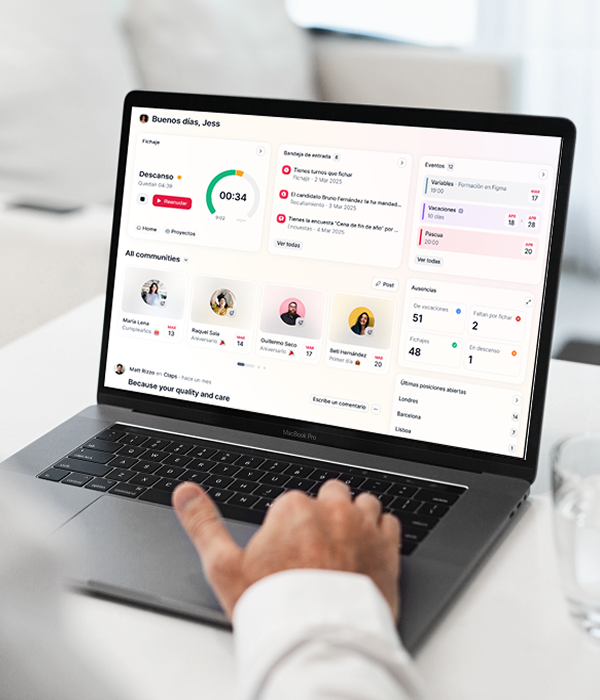
Factorial, all-in-one business management software, can help employers record maternity notifications, keep leave and return dates in one place, and maintain an auditable handover record without relying on scattered emails or spreadsheets.
By implementing these best practices, employers can build a supportive environment that respects expectant mothers’ rights and prevents pregnancy discrimination.
Employers should also record pregnancy notification dates carefully. The Maternity Leave, Adoption Leave and Shared Parental Leave (Amendment) Regulations 2024 extend redundancy protection during pregnancy and, in relevant cases, for up to 18 months after birth.
Want see more of Factorial?
- Automate your workflows
- Save time & effort
- Centralise HR & finance with one platform
FAQ
How much maternity pay will I get?
Your maternity pay depends on your earnings and length of service. You may be entitled to Statutory Maternity Pay (SMP) for up to 39 weeks. Some companies offer enhanced contractual pay, so you should review your company’s maternity policy and speak with your manager or HR department for specifics.
When to go on maternity leave?
You can typically start your maternity leave any time from 11 weeks before your due date. You must inform your employer of your planned start date at least 15 weeks before your baby is due, allowing them sufficient time to prepare for your absence.
When should I be given my MATB1 form?
Your midwife or doctor will provide your MATB1 certificate at, or after, your 20-week pregnancy appointment. This form is official proof of pregnancy required by your employer to process your maternity leave and pay, so you should give it to them as soon as you receive it.
How to prep for maternity leave at work?
Prepare colleagues by creating detailed handover documents for your projects and scheduling transition discussions. Using an all-in-one business management software like Factorial can help centralise these documents and manage leave requests, ensuring a smooth handover and clear communication for the entire team.