A key employee resigns, a department requests additional headcount, or management introduces new business targets that your current team may not have the skills to deliver. These are familiar challenges for HR leaders. Workforce planning helps you anticipate these needs, close skills gaps and ensure your organisation has the right people in place for 2027.
Why should you start workforce planning for 2027 now?
Waiting until January to consider your workforce needs can leave you with limited time to respond to business changes. Recruitment takes time, employee development requires investment, and new business opportunities may require skills your organisation does not currently have.
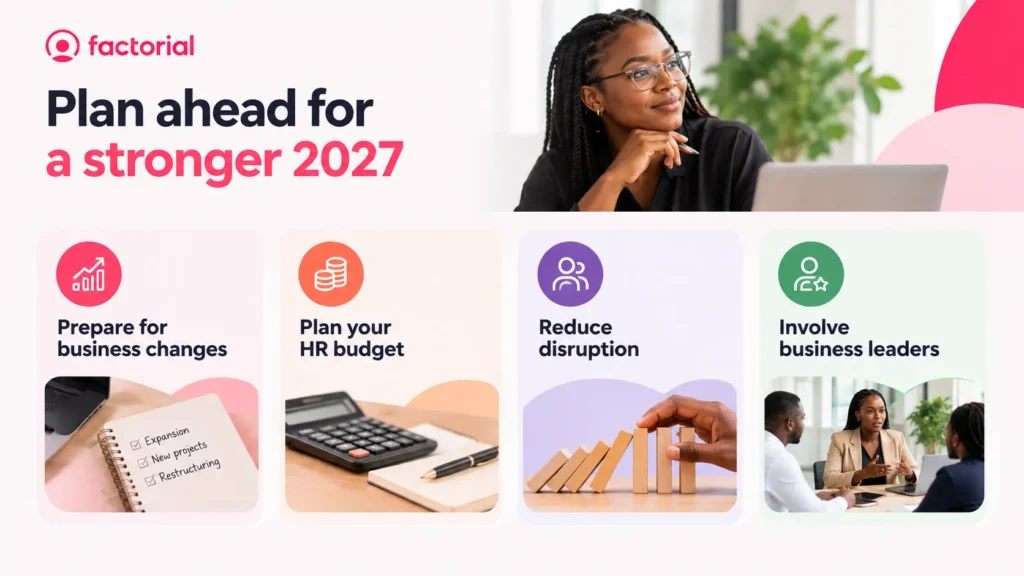
Starting your workforce planning early gives you an opportunity to:
- Prepare for business changes: Consider how expansion, new projects or restructuring could affect your staffing requirements.
- Plan your HR budget: Estimate future recruitment, salaries, training and employee development costs.
- Reduce disruption: Prepare for potential employee exits, leadership changes and vacancies in critical positions.
- Involve business leaders: Give department heads time to communicate their plans and identify the people they need to deliver them.
For example, if your organisation plans to open another branch in 2027, you may need additional employees, supervisors and operational support. Planning ahead gives you time to identify these requirements, allocate resources and prepare for recruitment before the new branch opens.
How to assess your current workforce and identify skills gaps
Before deciding who to hire or train in 2027, take stock of the employees and skills you already have. Your current workforce may have more capacity than you realise, or you may discover gaps that could affect your business plans.
Here are five ways to assess your workforce:
- Review your employee records: Look at your current headcount, departments, roles, employee turnover, attendance and other relevant workforce information.
- Evaluate existing skills: Identify the technical and soft skills available across your teams. Compare them with the capabilities your organisation will need in 2027.
- Review employee performance: Use performance reviews and manager feedback to understand where employees are doing well and where they need support.
- Identify critical roles: Determine which positions are essential to your operations and where an unexpected resignation or prolonged vacancy could disrupt the business.
- Ask employees and managers for feedback: Speak to department heads and employees about workload, skills development, career interests and resource requirements.
The outcome should be a clear picture of your current workforce, the gaps you need to address and the skills you can develop internally.
How to align your hiring plans with business goals
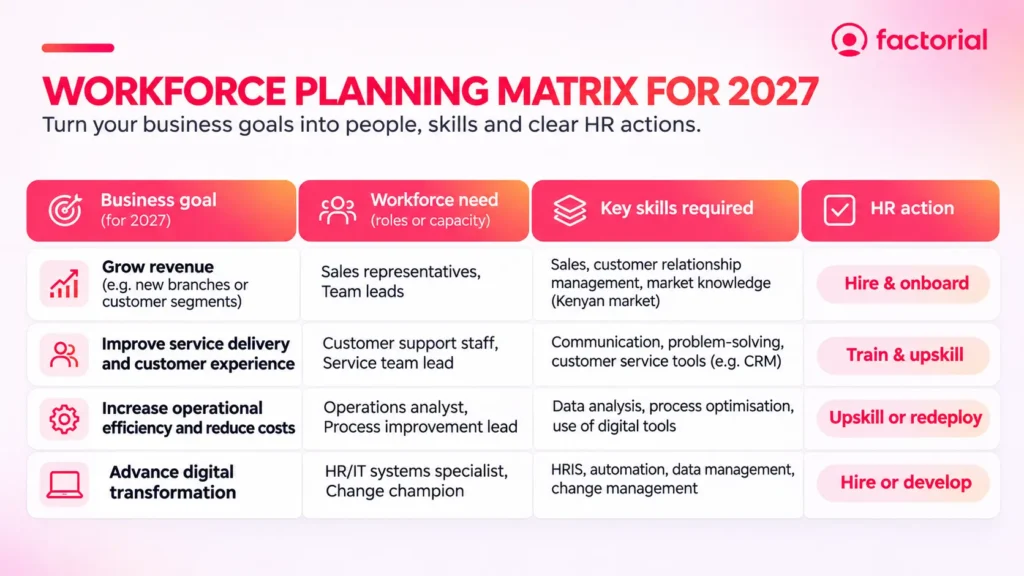
Once you understand your current workforce, the next step is to determine whether it can support your organisation’s plans for 2027. This requires looking beyond existing vacancies and considering the people and capabilities your business will need as it grows or changes.
Consider these steps:
- Speak to department heads: Find out their growth plans, expected workload, new projects and staffing requirements.
- Forecast future headcount: Estimate how many employees each department will need to meet its targets.
- Prioritise essential roles: Identify positions that directly support business growth or keep critical operations running.
- Consider internal mobility: Check whether existing employees can take on new responsibilities or move into other roles with the right training.
- Prepare your recruitment budget: Account for advertising, recruitment tools, onboarding, salaries and training costs.
For instance, if your sales department plans to increase its revenue target, you need to establish whether the existing team can realistically deliver it. You may need additional sales representatives, a team lead or training in a particular market segment. This approach helps you make better hiring decisions and avoid recruiting simply because a department has requested more employees.
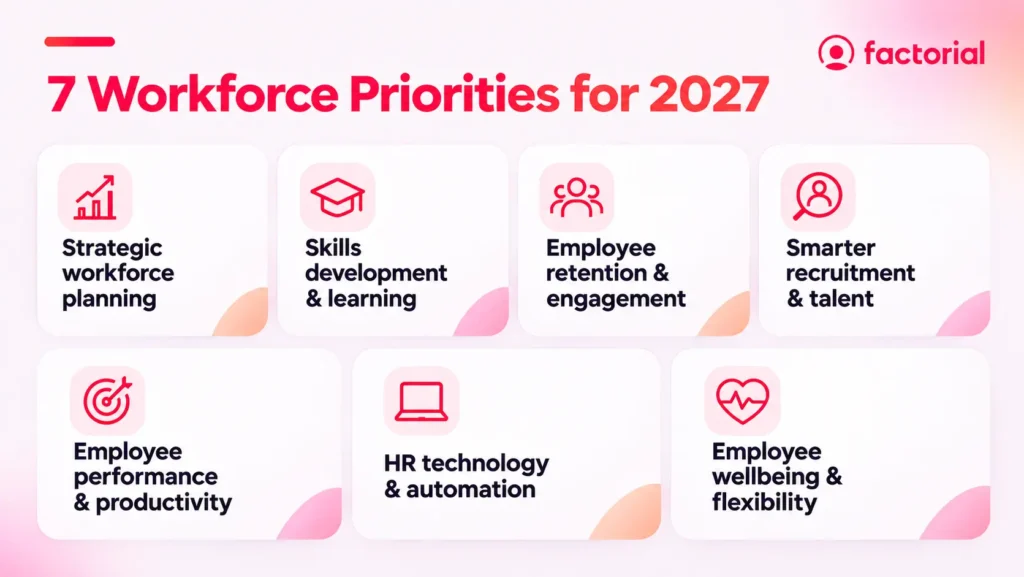
7 workforce priorities every HR team should prepare for in 2027
Once you understand your current workforce and business requirements, you can focus on the priorities that will shape your HR strategy in 2027.
1. Strategic workforce planning
Move from reacting to staffing needs to anticipating them. Review your workforce regularly, forecast future headcount requirements and prepare for changes such as business expansion, restructuring and employee exits.
2. Skills development and continuous learning
Your existing employees may be able to fill some of the gaps you have identified. Invest in relevant training, leadership development and opportunities for employees to acquire new skills. This can also help you prepare internal candidates for more senior roles.
3. Employee retention and engagement
Losing experienced employees can affect productivity, morale and recruitment budgets. Pay attention to employee feedback, career progression, recognition, management practices and the factors that influence people to stay or leave.
4. Smarter recruitment and talent acquisition
Review how you attract, assess and hire candidates. Make job requirements clear, shorten unnecessary recruitment delays and ensure your hiring decisions are based on the skills and experience your organisation actually needs.
5. Employee performance and productivity
Ensure employees understand what is expected of them and how their work contributes to business goals. Set measurable objectives, schedule regular performance conversations and give managers the tools to support their teams.
6. HR technology and automation
If your HR team still relies heavily on spreadsheets, emails and manual updates, managing a growing workforce can become difficult. Consider technology that helps you centralise employee information, manage HR processes and access useful workforce reports.
7. Employee wellbeing and workplace flexibility
Consider whether your workplace policies support employees to perform at their best. Review workload, leave management, flexible working arrangements and wellbeing initiatives while ensuring that business needs are met.
How to turn your 2027 workforce priorities into an action plan
Having identified your priorities, translate them into specific activities that your HR team can own and measure. Each priority should have a clear action, a responsible person, a deadline and an indicator of success.
Use this simple template:
| Workforce priority | Current situation | Action required | Success measure |
| Succession planning | dentify critical roles and potential internal successors. | HR Manager | Critical roles with succession plans |
| Skills development | Conduct a training needs assessment and organise relevant programmes. | L&D Lead | Skills assessment results |
| Employee retention | Review employee feedback and introduce targeted retention initiatives. | HR Manager | Employee turnover rate |
| Recruitment | Develop a hiring plan for priority positions. | Talent Acquisition Lead | Time to fill vacancies |
| Performance | Set measurable employee objectives and schedule performance reviews. | HR and Department Heads | Performance goal completion |
| HR technology | Identify manual processes that can be automated. | HR and IT Teams | Reduction in manual processing |
| Employee wellbeing | Review workload, leave and employee support policies. | HR Manager | Absenteeism and employee feedback |
Review the plan regularly with the relevant department heads. If business requirements change, adjust your activities and targets accordingly. This keeps your workforce strategy connected to the organisation’s actual needs throughout 2027.
How Factorial can support your workforce priorities for 2027
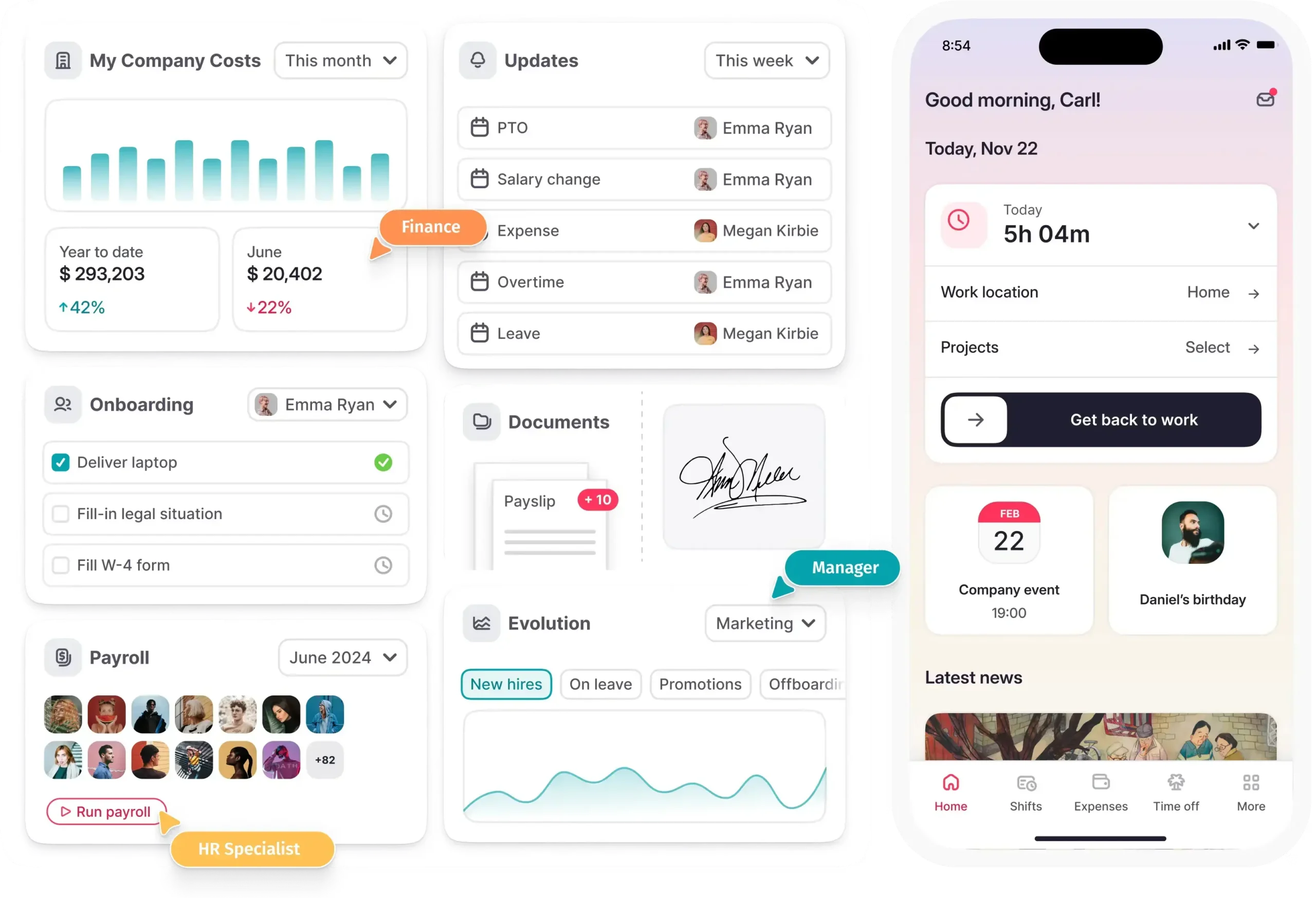
Managing your workforce priorities is easier when your employee information and HR processes are organised in one place.
Factorial brings key HR processes together, helping you:
- Manage employee information: Keep employee records and documents organised.
- Streamline recruitment: Manage candidates and hiring activities.
- Track performance: Set goals, conduct reviews and gather feedback.
- Manage time and attendance: Track working hours, leave and schedules.
- Access HR reports: Use workforce data to make informed decisions.
With Factorial, your HR team can spend less time on manual administration and more time focusing on workforce planning.
Book a demo with Factorial to see how the platform can support your HR priorities for 2027.
Workforce Planning FAQs
Ideally, begin before the end of 2026. This gives your HR team time to assess current staffing levels, consult department heads, estimate costs and prepare for recruitment or employee development needs.
HR typically coordinates the process, but it should involve senior management, finance and department heads. Each team provides information about its business objectives, staffing requirements and future skills needs.
Review your workforce plan at least quarterly and whenever significant business changes occur. Regular reviews help you identify new staffing requirements and adjust your plans as necessary.
Workforce planning considers the overall number of employees, skills and roles an organisation needs to achieve its objectives. Succession planning focuses on preparing employees to take over critical positions when current role holders leave or move on.
Yes. Small businesses also need to anticipate staffing requirements, manage employee workloads and prepare for growth. A simple workforce plan can help them make better recruitment and training decisions without unnecessary hiring costs.