As the year 2026 comes to an end, recognising employees for their contributions is an important part of building a motivated and engaged workforce. Employee recognition goes beyond annual bonuses or appreciation gifts. It involves acknowledging employees’ efforts, celebrating achievements and making them feel valued. Here are practical ways HR teams can recognise and reward employees at year-end.
Why Employee Recognition Matters
Employees contribute to an organisation’s growth in different ways, from meeting business targets and serving customers to supporting colleagues and improving internal processes. Recognising these contributions helps employees understand that their efforts matter.
According to research on employee recognition, Gallup highlights the importance of meaningful recognition in improving employee engagement and workplace experiences. Here are some reasons employee recognition should be a priority for HR teams:
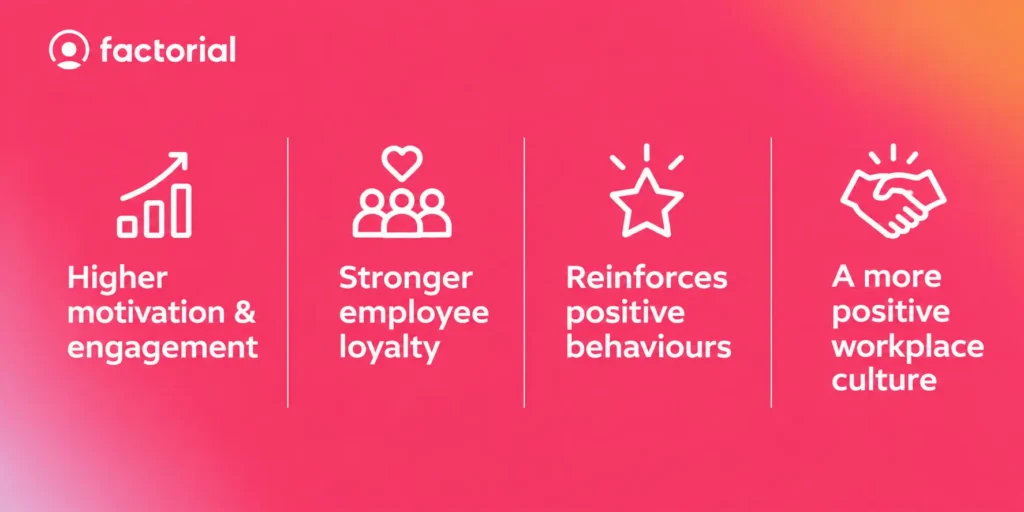
- Improves employee motivation and engagement: Employees who feel appreciated are more likely to remain motivated and committed to their responsibilities.
- Strengthens employee loyalty: Meaningful recognition helps employees feel valued, which can contribute to stronger workplace relationships and retention.
- Reinforces positive behaviours: Celebrating employees who demonstrate organisational values encourages others to adopt similar behaviours.
- Builds a positive workplace culture: Regular appreciation creates an environment where employees feel respected and acknowledged.
Year-end recognition also gives organisations an opportunity to reflect on the progress made throughout the year and celebrate the people behind it.
How to Prepare for Employee Recognition at the End of the Year
Before deciding on rewards, HR teams should establish a clear process for identifying and appreciating employee contributions. This helps ensure that recognition is fair, meaningful and aligned with organisational goals.
Here are five steps to consider:
- Review employee and team performance: Look at performance reviews, completed projects, business targets and other achievements recorded throughout the year.
- Identify outstanding contributions: Consider employees who have demonstrated initiative, teamwork, leadership, innovation or exceptional commitment to their responsibilities.
- Gather feedback: Involve department heads and team managers who can provide additional insight into employee contributions that may not appear in performance reports.
- Establish recognition criteria: Define what the organisation intends to recognise, whether it is outstanding performance, collaboration, innovation, customer service or years of service.
- Set a recognition budget: Determine how much the organisation can allocate to bonuses, gifts, awards, celebrations and other employee appreciation activities.
A structured approach helps prevent recognition from becoming a popularity contest and ensures that employees across different departments have an opportunity to be appreciated.
10 Employee Recognition Ideas to Reward Your Team at the End of the Year
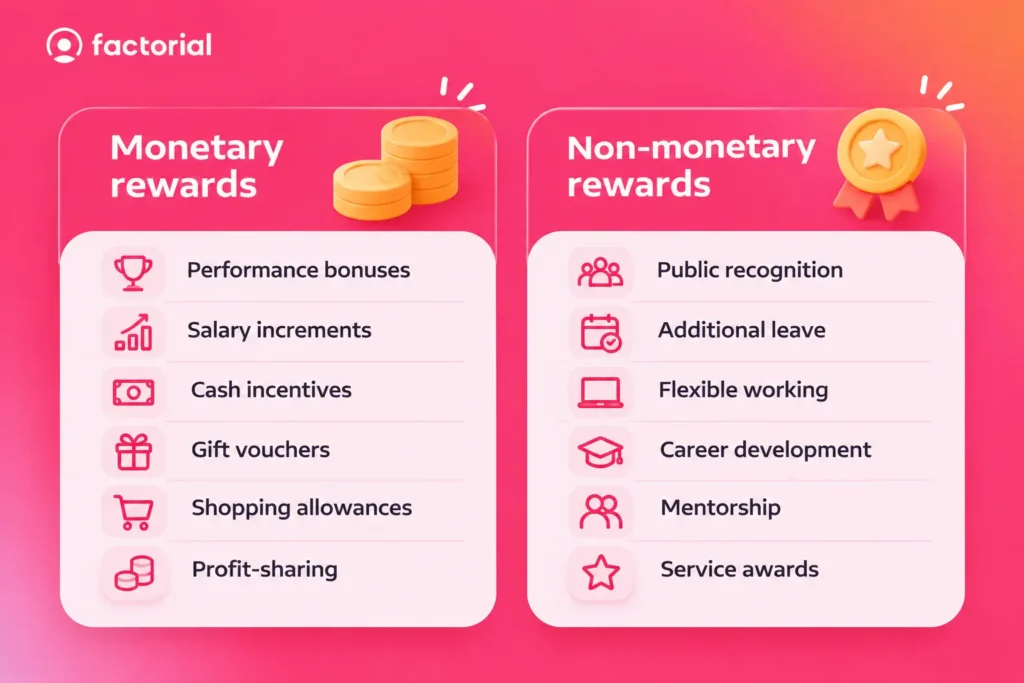
Employee rewards do not always have to involve significant financial commitments. While monetary incentives are valuable, non-monetary gestures can also make employees feel appreciated. Here are ten ideas organisations can consider.
1. Offer Performance Bonuses and Financial Incentives
Financial rewards are a direct way to appreciate employees who have made significant contributions to organisational goals. Depending on the organisation’s budget and reward policy, HR teams can consider performance bonuses, cash incentives or additional allowances.
2. Give Employees Personalised Appreciation Gifts
A thoughtful gift can make recognition feel more personal. Consider employees’ interests when selecting gifts, such as personalised accessories, gift hampers, branded merchandise or shopping vouchers.
3. Introduce Employee of the Year Awards
Create awards that celebrate exceptional contributions across different areas of the business. Categories could include Outstanding Performance, Best Team Player, Innovation Award and Customer Service Champion. Ensure the selection criteria are communicated clearly.
4. Offer Additional Paid Time Off
Time away from work can be a meaningful reward, particularly after a demanding year. Organisations can offer an additional day off, a half-day or an extra leave benefit to employees who meet established recognition criteria.
5. Celebrate Employee Achievements Publicly
Recognise employees during company meetings, internal newsletters, town halls or year-end celebrations. Sharing specific achievements helps employees understand why their contributions are valued and gives others an opportunity to celebrate them.
6. Provide Professional Development Opportunities
Investing in employees’ growth is another way to demonstrate appreciation. Organisations can sponsor professional courses, certifications, industry conferences or relevant training programmes that help employees develop their skills.
7. Organise Team Celebrations and Appreciation Events
A year-end celebration gives employees an opportunity to relax, connect and reflect on the year’s achievements. It could be a company dinner, team outing, awards ceremony or informal appreciation gathering.
8. Offer Gift Vouchers and Shopping Allowances
Gift vouchers give employees the flexibility to choose what they would like. Organisations can consider vouchers for supermarkets, retail outlets, restaurants or other services that employees find useful.
9. Recognise Long-Serving Employees with Service Awards
Employees who have dedicated several years to an organisation deserve acknowledgement. Introduce service awards to celebrate important employment milestones, such as five, ten or fifteen years of service.
10. Provide Career Growth and Advancement Opportunities
Recognition can also involve showing employees that their contributions have opened doors for future growth. Consider internal promotions, leadership opportunities, mentorship programmes or additional responsibilities that align with their career aspirations.
The most effective approach is to combine different forms of recognition based on employee contributions, organisational priorities and available resources.

Common Employee Recognition Mistakes to Avoid
Even with good intentions, poorly managed recognition programmes can leave employees feeling overlooked or undervalued. HR teams should watch out for these common mistakes:
- Recognising only high performers: Employees contribute in different ways. Recognise teamwork, consistency, problem-solving and other contributions, not just employees who meet the highest targets.
- Using generic rewards: Giving everyone the same reward without considering their preferences or contributions can make appreciation feel impersonal.
- Showing favouritism: Recognition should be based on transparent criteria rather than personal relationships or individual preferences.
- Overlooking smaller contributions: Everyday efforts, such as supporting colleagues, mentoring new employees and resolving customer issues, also deserve acknowledgement.
- Making recognition a once-a-year activity: Appreciation should happen throughout the year rather than being reserved for December.
A meaningful employee recognition at the end of the year should be consistent, inclusive and connected to the contributions employees make.
Make Employee Recognition Easier with Factorial
Managing employee performance and recognising contributions can become challenging when information is scattered across spreadsheets, emails and separate systems.
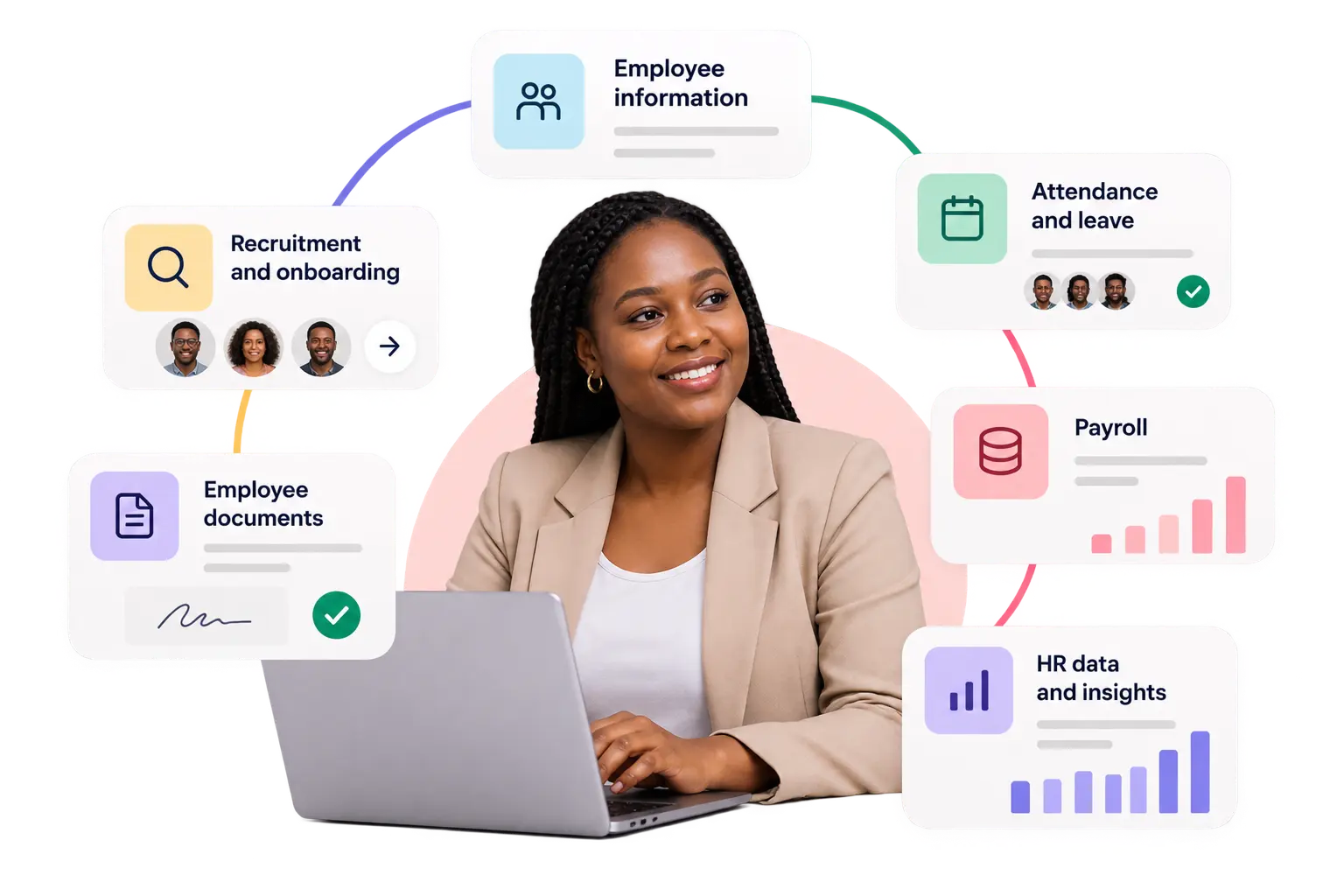
With Factorial, HR teams can bring important people management processes together in one platform. Its HR capabilities support employee record management, performance reviews, feedback and employee development, helping organisations maintain better visibility into workforce performance. This makes it easier for HR teams and managers to organise performance information, review employee progress and identify development opportunities.
As organisations prepare for a new year, having accessible employee information and structured performance management processes can support more informed people decisions.
Explore Factorial and see how its HR technology capabilities can support your organisation.