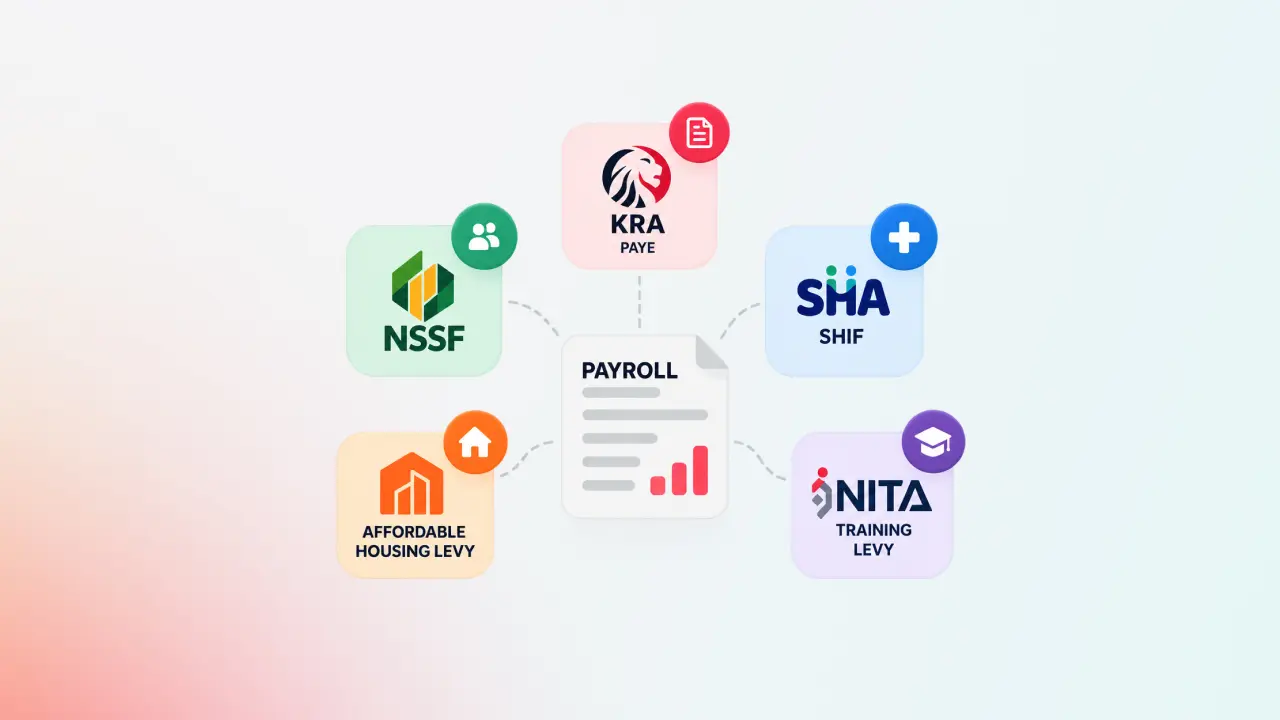
Managing recruitment, payroll, employee performance and statutory obligations requires careful planning. For HR professionals in Kenya, keeping track of these responsibilities throughout the year can be challenging. The Kenya HR Calendar 2027 provides a month-by-month guide to essential HR activities, important compliance requirements and employee management priorities to help you stay organised and plan ahead.
Why You Need a Kenya HR Calendar for 2027
An annual HR calendar gives you a clear overview of the activities and responsibilities you need to manage throughout the year. Instead of reacting to deadlines and employee needs as they arise, you can plan ahead and allocate enough time and resources to each task. For organisations operating in Kenya, this also means accounting for local employment requirements, statutory remittances, public holidays and employee entitlements.
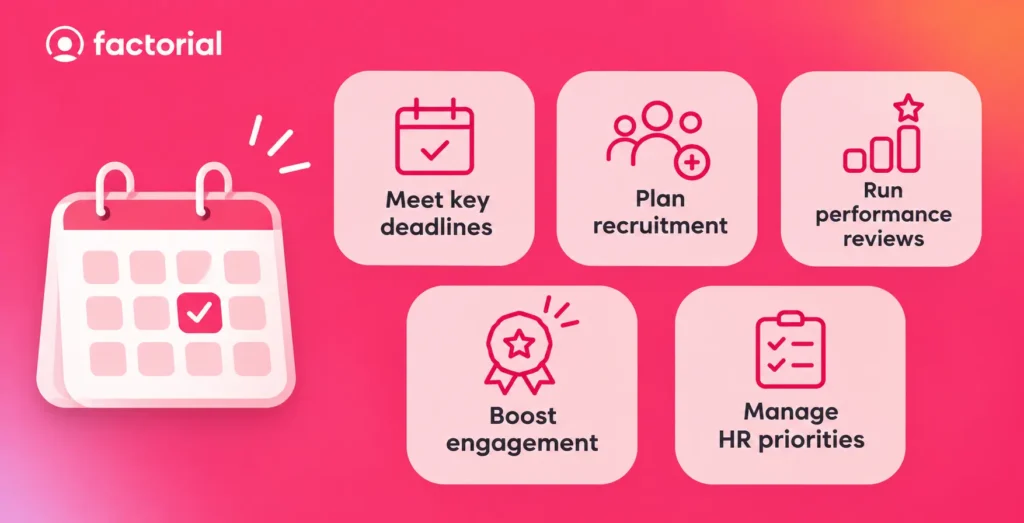
Here are some reasons to have a Kenya HR calendar:
- Stay ahead of important deadlines: Keep track of payroll obligations, statutory remittances, leave planning and other time-sensitive responsibilities.
- Plan recruitment activities: Anticipate staffing needs and give yourself enough time to manage recruitment and onboarding.
- Organise performance reviews: Schedule regular performance conversations and make time for employee development.
- Improve employee engagement: Plan recognition activities, wellbeing initiatives and opportunities for employee feedback.
- Manage HR priorities: Keep track of your responsibilities and ensure important activities are not overlooked.
With a clear calendar, you can approach 2027 with better organisation and fewer last-minute tasks.
Your Month-by-Month Kenya HR Calendar for 2027
Your HR calendar should reflect your organisation’s financial year, workforce needs, business priorities and statutory obligations. The following schedule provides suggested HR activities for each month that you can adapt to your organisation in Kenya.
January: Set Your HR Priorities for the Year
January is a good time to establish your HR priorities and align them with your organisation’s objectives for 2027. Review the previous year’s performance and identify the areas that need attention.
Key HR activities:
- Set annual HR goals and performance targets.
- Review workforce requirements and recruitment priorities.
- Communicate organisational goals and expectations to employees.
- Review employee records, leave balances and outstanding HR matters.
- Review HR policies and identify areas that need updating.
- Confirm the annual HR budget and planned expenditure.
February: Review Recruitment and Employee Development Needs
Once your priorities are established, focus on the people and skills your organisation needs to achieve its objectives. Review existing roles, identify skills gaps and assess whether your recruitment plans are still relevant.
Key HR activities:
- Review open vacancies and recruitment plans.
- Update job descriptions and role requirements.
- Identify employee training and development needs.
- Review onboarding processes for new employees.
- Plan learning and development activities.
- Assess employee engagement and feedback from the previous year.
March: Review First-Quarter Progress
The end of the first quarter provides an opportunity to assess how your HR plans are progressing. Review recruitment, employee performance and other activities against the targets you established in January.
Key HR activities:
- Review progress against Q1 HR goals.
- Assess recruitment timelines and hiring outcomes.
- Conduct employee check-ins with managers.
- Review training and development progress.
- Assess HR expenditure against the budget.
- Identify challenges that could affect your annual HR priorities.
April: Focus on Employee Experience and Retention
Use April to assess how employees are experiencing their work and identify opportunities to improve engagement and retention. Consider whether employees have the support, resources and working environment they need to perform effectively.
Key HR activities:
- Conduct employee engagement surveys or feedback sessions.
- Review employee turnover and retention trends.
- Assess employee wellbeing initiatives.
- Review leave requests and upcoming leave schedules.
- Evaluate the effectiveness of onboarding activities.
- Identify opportunities to improve the employee experience.
May: Review Workforce and Compliance Records
May is a useful time to review employee information, HR documentation and workplace practices. Keeping these records organised makes it easier to manage employee matters and respond to internal or regulatory requirements.
Key HR activities:
- Review employee files and contract records.
- Check leave, attendance and working-time records.
- Review HR policies and employee handbook provisions.
- Assess workplace health and safety practices.
- Review employee relations matters and outstanding cases.
- Follow up on compliance actions identified earlier in the year.
June: Conduct Mid-Year Performance Reviews
June marks the end of the first half of the year for organisations using a January-to-December planning cycle. It is an opportunity to assess employee performance, review HR targets and identify what needs to change in the second half.
Key HR activities:
- Conduct mid-year performance reviews.
- Evaluate progress against employee goals and KPIs.
- Review training and development plans.
- Assess employee engagement and retention trends.
- Review compensation and benefits against organisational priorities.
- Evaluate progress against the annual HR budget.
July: Prepare for the Second Half of the Year
Use the insights from your mid-year reviews to refine your HR priorities. Reassess workforce requirements and determine whether your organisation needs to adjust its recruitment, training or employee development plans.
Key HR activities:
- Update workforce and recruitment plans.
- Review outstanding employee development goals.
- Identify critical vacancies and succession needs.
- Assess progress against employee performance improvement plans.
- Review HR policies and processes that need attention.
- Communicate revised priorities to relevant department heads.
August: Strengthen Employee Engagement and Wellbeing
August is a good opportunity to revisit your employee engagement and wellbeing initiatives. Consider what employees have said about their experiences and whether the support available to them is meeting their needs.
Key HR activities:
- Conduct employee feedback sessions.
- Review employee engagement initiatives.
- Assess workplace wellbeing programmes.
- Review absenteeism and attendance trends.
- Identify emerging employee relations concerns.
- Plan recognition and team engagement activities for the final quarter.
September: Begin Planning for 2028
Although the year is not over, September is a useful time to start looking ahead. Begin assessing the workforce, skills and resources your organisation may need in 2028.
Key HR activities:
- Begin preliminary workforce planning for 2028.
- Consult department heads about future staffing requirements.
- Identify anticipated vacancies and critical roles.
- Review skills gaps and succession planning needs.
- Assess recruitment and retention performance.
- Begin gathering information for the next HR budget.
October: Prepare the HR Budget and Year-End Activities
October is a good time to turn your initial plans for the coming year into a more detailed budget. You should also begin preparing for year-end activities so that recruitment, performance reviews and employee recognition are not left until the last minute.
Key HR activities:
- Prepare the proposed 2028 HR budget.
- Review salary and benefits expenditure.
- Confirm year-end performance review schedules.
- Plan employee recognition and reward activities.
- Identify training priorities for the coming year.
- Review outstanding recruitment and workforce requirements.
November: Conduct Year-End Performance Reviews
November is an appropriate time to begin year-end performance reviews, depending on your organisation’s review cycle. Give managers and employees enough time to prepare, reflect on achievements and discuss areas for improvement.
Key HR activities:
- Conduct year-end performance reviews.
- Gather employee self-assessments and manager feedback.
- Review progress against annual goals and KPIs.
- Identify employee training and development needs for 2028.
- Finalise year-end recognition plans.
- Review recruitment priorities and outstanding vacancies.
December: Close the Year and Prepare for 2028
December is an opportunity to review the year’s HR activities, recognise employee contributions and close outstanding administrative tasks. It is also a time to prepare your HR function for the new year.
Key HR activities:
- Recognise and reward employee contributions.
- Review annual HR performance against set targets.
- Reconcile leave balances and update employee records.
- Complete outstanding payroll and HR administration.
- Prepare annual HR reports and documentation.
- Confirm HR priorities and activities for January 2028.

Recurring HR Activities to Include in Your Kenya HR Calendar
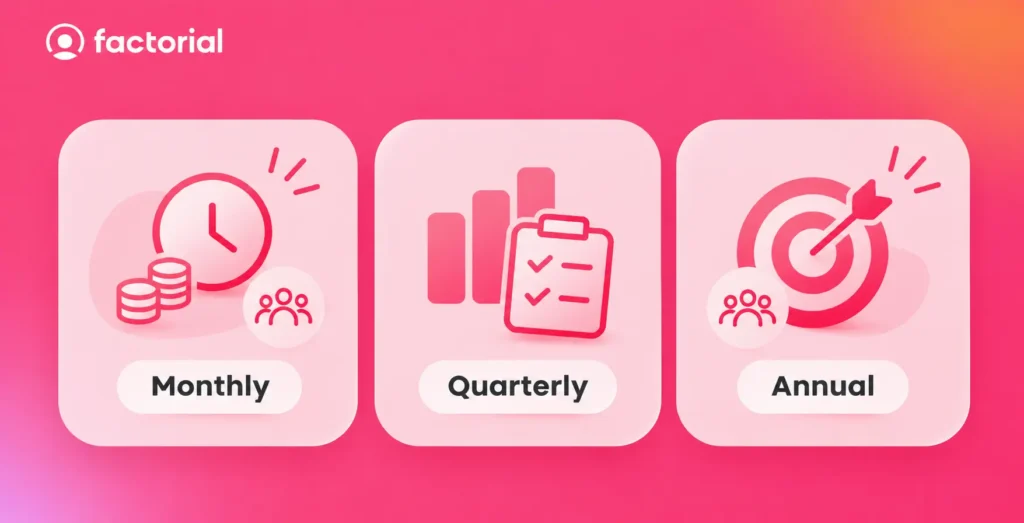
While some HR responsibilities are tied to specific months, others need your attention throughout the year. Include these recurring activities in your calendar to ensure they are not overlooked.
Monthly HR Activities
These are responsibilities you should account for every month:
- Process payroll and review salary changes.
- File and remit applicable statutory deductions and contributions.
- Manage employee leave and attendance records.
- Coordinate recruitment and onboarding.
- Update employee records and documentation.
- Monitor employee relations matters.
- Prepare monthly HR reports.
- Quarterly HR Activities
Quarterly reviews help you assess progress and identify areas that need attention before the next quarter.
- Review HR KPIs and departmental performance.
- Conduct employee performance check-ins.
- Assess recruitment and retention trends.
- Review training and development progress.
- Evaluate employee engagement initiatives.
- Review workforce requirements with department heads.
Annual HR Activities
These activities typically require longer-term planning and coordination:
- Prepare the annual HR budget.
- Review HR policies and employee handbook provisions.
- Conduct annual performance evaluations.
- Review compensation and benefits.
- Evaluate workforce requirements and succession plans.
- Assess the effectiveness of HR programmes.
- Prepare annual HR reports and priorities for the next year.
Important HR Dates and Compliance Deadlines to Remember in Kenya
Your Kenya HR calendar should account for more than internal activities. You also need to plan for statutory obligations that affect payroll, employee entitlements and workplace compliance.
Here are important requirements to include when preparing your 2027 calendar.
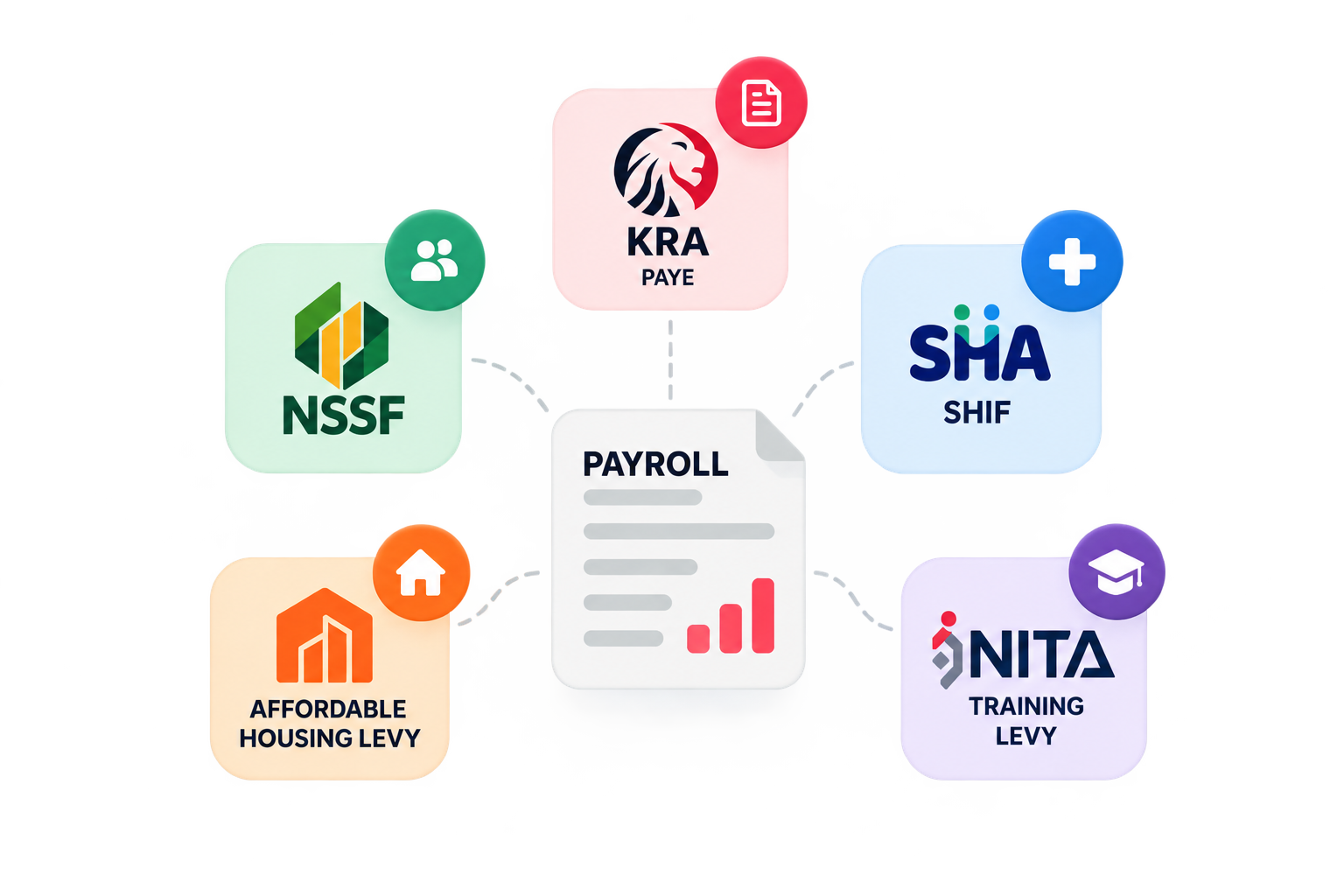
1. Monthly PAYE Remittances
If your organisation has employees whose earnings are subject to Pay As You Earn (PAYE), you need to account for the monthly filing and payment deadline.
According to the Kenya Revenue Authority (KRA), employers must file PAYE returns and remit the tax deducted from employees’ earnings on or before the 9th day of the following month. Include this deadline in your monthly payroll calendar to allow enough time to prepare payroll information, file returns and make payments.
2. NSSF Contributions
Employers should also account for monthly National Social Security Fund (NSSF) contributions.
The NSSF employer guidance states that contributions for each month should be paid on or before the 9th day of the following month. Employers are also required to register their employees and remit contributions on their behalf. Make sure your payroll process accounts for the applicable contribution requirements and deadlines.
3. Social Health Insurance Fund (SHIF) Contributions
Under Kenya’s Social Health Insurance framework, employers have responsibilities relating to the deduction and remittance of employee contributions.
The Social Health Authority’s employer notice reminds employers to submit monthly SHIF contributions by the 9th day of each month. Include this obligation in your monthly payroll checklist and check the SHA employer portal for current guidance.

4. Affordable Housing Levy
The Affordable Housing Levy is another statutory obligation to account for when processing payroll.
KRA’s PAYE guidance states that the employer and employee each contribute 1.5% of the employee’s gross monthly salary. The combined amount is to be remitted within nine working days after the end of the month in which the payment is due. Ensure your payroll records and remittance schedule account for the applicable deductions and employer contribution.
5. Annual Leave and Employee Entitlements
Leave planning should be part of your HR calendar throughout the year, not something you only review in December.
Under Section 28 of Kenya’s Employment Act, 2007, employees are entitled to at least 21 working days of annual leave with full pay after every 12 consecutive months of service. The Act also provides for maternity leave of three months with full pay and paternity leave of two weeks with full pay. Keep accurate leave records and plan for employee absences when coordinating staffing requirements.
6. Public Holidays and Workplace Health and Safety
Account for public holidays when planning work schedules, leave arrangements and staffing requirements.
Kenya’s Public Holidays Act identifies public holidays, including New Year’s Day, Labour Day, Madaraka Day, Mashujaa Day, Jamhuri Day and Christmas Day. Some holiday dates, such as Idd-ul-Fitr, depend on the appearance of the moon. Additional or substituted holidays may also be declared through a Gazette notice.
You should therefore confirm the official 2027 public holiday announcements before finalising your work calendar.
You should also account for workplace health and safety responsibilities. The State Department for Labour’s Occupational Safety and Health Services provides information on workplace registration, inspections, audits and accident investigations. Schedule relevant safety reviews and follow-ups according to your workplace’s requirements.
Important: Statutory requirements and deadlines can change. Confirm the applicable 2027 guidance with KRA, NSSF, SHA and the State Department for Labour before relying on this calendar for compliance purposes.

Simplify Your HR Processes with Factorial
Keeping track of recruitment, employee records, leave, attendance and performance reviews can become difficult when you manage everything across spreadsheets and separate systems.
With Factorial’s HR software, you can bring several HR processes together and make it easier to manage your team’s information and activities.
Depending on the products and features available to your organisation, Factorial can help you:
- Manage employee information: Keep employee records and documentation organised in one place.
- Track leave and absences: Manage leave requests, approvals and employee absence records.
- Monitor working time: Organise attendance and working-time information.
- Manage performance: Structure performance reviews, gather feedback and monitor employee goals.
- Access HR insights: Use workforce information to support HR reporting and decision-making.
With better visibility into your HR processes, you can spend less time managing administrative tasks and more time supporting your employees and organisational goals.
Explore Factorial to see how you can simplify your HR management.
FAQs
It is an annual schedule of the activities, responsibilities and important dates that HR professionals and organisations in Kenya need to manage. It typically includes recruitment, payroll, performance reviews, employee engagement, training, leave management and statutory compliance activities.
An HR calendar helps you organise responsibilities, anticipate deadlines, coordinate employee-related activities and align HR priorities with business objectives. It also makes it easier to plan resources and avoid overlooking recurring tasks.
Your annual HR calendar should include monthly, quarterly and annual responsibilities. These may cover payroll, statutory remittances, recruitment, onboarding, performance reviews, employee development, engagement activities, leave planning and HR reporting.
You should review your HR calendar regularly, ideally at the beginning of each quarter and whenever business priorities, statutory requirements or employee needs change. This helps keep the schedule relevant throughout the year.
Some important activities include annual workforce planning, recruitment, employee onboarding, payroll and statutory remittances, performance reviews, employee engagement, training and development, leave management and year-end HR reporting.
Factorial can help you organise employee information and manage recurring processes such as leave requests, attendance, recruitment and performance reviews. It can also give you better visibility into workforce information, making it easier to monitor HR activities throughout the year.