Employee records management is what we call the process of collecting, storing, updating and eventually deleting the information you keep about your employees. This includes everything from contracts and right-to-work checks to payroll records, absence details and performance reviews.
Good record-keeping is not just about keeping HR organised. UK employers have legal duties around certain records, including how long they are kept and how personal information is protected. Other records may not have a fixed legal retention period, but they can still be important if you need to explain an employment decision later.
Employee records management software can make this much easier. Instead of keeping information across filing cabinets, spreadsheets, emails and shared drives, you can bring employee data and documents together and control who has access to them.
For a look at the systems businesses can use to store employee information, see our guide to HR database software.
Key facts about employee records management
- Employers can keep records such as personnel files, sickness information, payroll data, disciplinary records and performance reviews, but the UK GDPR and Data Protection Act 2018 apply when you use employees’ personal information, according to the ICO.
- There isn’t a legal retention period for every employee record that you need to keep in general. The ICO says employers should decide how long each type of information is needed and create a retention schedule.
- PAYE records normally need to be kept for three years from the end of the tax year they relate to, according to GOV.UK.
- National Minimum Wage records generally need to be kept for at least six years, says GOV.UK.
- From 6 April 2026, employers in Great Britain must keep adequate annual leave and holiday pay records for six years from when they were made.
- Evidence of a right-to-work check should normally be kept throughout employment and for two years afterwards, according to GOV.UK.
- Employees can make a subject access request, or SAR, for their personal information. Employers normally need to respond within one month, as covered by the ICO.
What is employee records management?
Employee records management covers the whole life of an employee record. It starts when you collect information, continues while you store and update it, and ends when the information is securely deleted or anonymised because you no longer need it.
Employee records can include many different types of records, including:
- personal details
- employment contracts
- right-to-work checks
- pay information
- working hours
- holiday and absence records
- family leave
- performance appraisal documentation
- training records
- disciplinary and grievance records
- workplace complaints
- pension information
- documents relating to dismissal or resignation
Not every document has to be uploaded to one large employee file or a Google drive. In fact, some sensitive information should have tighter controls for accessing it than your normal HR records. Health information, for example, is special category data under UK data protection law and needs extra protection.
The important thing you need to know is what information you hold, why you hold it, where it is stored, who can see it and when you need to delete it.
For employers who want to move away from spreadsheets and paper files, an HRMS software system can provide one central place for employee data and HR processes. An example of document managment software is Factorial, which also has AI tools that let you centralise HR, finance, and IT, and lets you ask questions and get instant answers connected to your company data.
What employee records should employers keep?
Keeping some employee records is required by law, while others help you run HR properly and show what happened if there is a disagreement later.
Recruitment and starter employee records to keep
When somebody joins your business, you may need records such as:
- job application and CV
- interview notes
- offer letter
- right-to-work check
- written statement of employment particulars
- employment contract
- bank and payroll information
- emergency contact details
- qualifications or certifications required for the role
Employers must give employees and workers a written statement explaining the main conditions of their employment. The main statement must be provided on the first day, with certain further information provided within two months, writes GOV.UK. Read our guide to employee onboarding best practices, which explains how employers can collect paperwork and employee information as part of a consistent onboarding process.

Contracts and employment documents to add to your employee records
Another important aspect of employee records management is keeping a clear record of the terms you agreed with each employee.
This can include:
- employment contract
- written statement
- contract amendments
- salary changes
- working pattern changes
- flexible working agreements
- promotion letters
- policy acknowledgements
When employment terms change, make sure the employee record is updated rather than leaving several versions with conflicting information in different folders. For businesses trying to reduce paperwork, digital onboarding can also help you collect and store documents electronically from the beginning of employment.
Payroll and pay records for record management
Payroll also creates a large amount of employee information that you need to track. Employers need records showing what employees were paid, for example, as well as deductions made, reports, payments to HMRC, tax-code notices and certain benefits and expenses. GOV.UK also includes employee leave and sickness absence within the PAYE records employers must keep.
Payroll data should always match the information HR holds. If somebody receives a salary increase, for example, the HR record, approval, and payroll information should not show three different figures. Software like Factorial lets you set reminders to update records from time to time.
Working hours and minimum wage records
Employers need sufficient records to prove that workers have received at least the National Minimum Wage. These records may include payroll figures, hours worked, paid and unpaid overtime and employment terms. GOV.UK says that minimum wage records generally need to be kept for at least six years. Keep separate Working Time Regulations records to show compliance with certain working-time limits. In Great Britain, those records generally need to be retained for two years.
Holiday and absence records
Keep accurate records of:
- annual leave taken
- holiday entitlement
- holiday pay
- sickness absence
- Statutory Sick Pay
- maternity and paternity leave
- parental and adoption leave
- other statutory leave
Holiday record-keeping has become particularly important. Since 6 April 2026, employers in Great Britain must keep adequate records showing compliance with statutory annual leave and holiday pay rules for six years. This is one of several changes covered in our Employment Rights Act guide for UK employers.
Performance, disciplinary and grievance records
You may also need to keep other records during the employment of certain employees.
For example:
- probation objectives
- probation reviews
- performance reviews
- feedback
- performance improvement plans
- disciplinary investigations
- warnings
- grievances
- meeting notes
- decisions and appeals
These records do not all have one fixed statutory retention period. However, keeping clear and accurate records can help you show what process you followed and why you made a decision. Remember to record relevant facts and decisions instead of opinions. Find the answer to one of the most common questions in our article on how long employers should keep employee records.
UK GDPR and employee records management
Employee records contain personal information, so employers need to follow UK data protection law. This does not mean you cannot legally keep HR records. All it means is you should have a valid reason for collecting and using them.
The ICO says the use of employee information should be lawful, fair and transparent. Employers should be clear about why information is being collected and tell workers how it will be used.
This means employers should:
- Collect only what you need: Do not collect personal information simply because you might want it one day.
- Keep records accurate: Correct information when you become aware that it is wrong.
- Control access: Managers should only see employee information they genuinely need.
- Protect sensitive data: Health and other special category information may need separate or tighter access controls.
- Set retention periods: Do not keep everything forever.
- Delete information securely: When you no longer have a reason to keep a record, delete or anonymise it.
The ICO specifically recommends storing records centrally where appropriate rather than relying on information held locally by individual managers.
Can employees access their records?
Employees have data protection rights over their personal information.
One such important right is the right of access. This means an employee can make a subject access request asking for a copy of personal information your organisation holds about them. According to ICO, a SAR does not have to use special legal wording and can be made either verbally or in writing. Employers normally need to respond without delay and within one month, although extra time may be available, for example in the case of complex or multiple requests.
This is another reason why you should keep employee records well-organised.
If the information you need is spread across email accounts, shared folders, spreadsheets and local files, finding everything for a request becomes much harder.
Who should have access to employee records?
Not everybody in your business should have access to every employee record. HR may need access to an employee’s full personnel information, while a line manager might only need access to records connected to their management responsibilities.
Payroll staff, on the other hand, may need pay and tax information without needing access to unrelated disciplinary documents. Health information may need even tighter controls. The ICO says employment records should only be accessed, changed, disclosed or deleted by people who are authorised to do so.
This is where digital permissions using AI tools can be much easier to manage than a shared drive that everybody can open or that you need to share access to.
Manage employee records with the right software
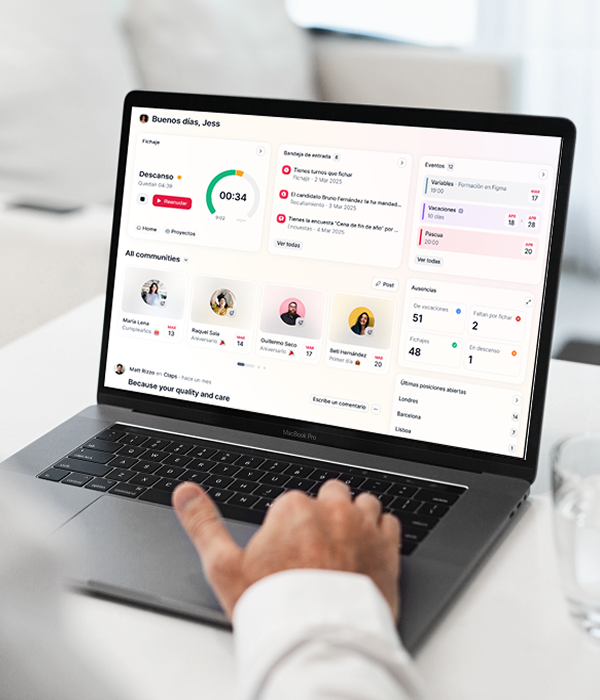
Employee records management software helps you keep employee information, contracts, policies and other HR documents in one secure place. It can also make it easier to control access, track changes, collect e-signatures and let employees view or update information through an employee portal with an employee directory.
This is usually much easier to manage than paper files, spreadsheets and documents stored across different folders. A good document management system gives HR one clear place to find the latest information. Compare the best document management systems in our guide.
Factorial is an AI business management platform that brings employee records, documents and everyday HR processes together in one platform for HR, finance, and IT teams, helping you spend less time searching for paperwork and keep your records organised and up to date. Request a free demo of Factorial to see how it works and get a personalised quote tailored to your organisation’s needs.
FAQs
The exact records depend on the business and employee. Common legal records include payroll and PAYE information, National Minimum Wage evidence, right-to-work checks and certain working-time and holiday records. Employers also normally keep contracts, leave information and other HR records needed to manage employment properly.
Some records have specific legal periods, such as three years for PAYE records and six years for National Minimum Wage records. For other information, employers should decide how long it is genuinely needed and document this in a retention schedule.
Employee records can be stored digitally. The important thing is that employers follow data protection and any specific record-keeping rules, keep information secure and make sure only authorised people can access it. Some laws expressly allow records to be kept electronically or on paper.
Employees can make a subject access request for personal information an employer holds about them. Employers normally need to respond within one month, although the deadline can sometimes be extended for complex requests.
Employee records management software helps employers store and organise employee information digitally. Depending on the system, it can also manage documents, control access, collect electronic signatures, provide employee self-service and keep records connected to wider HR processes.