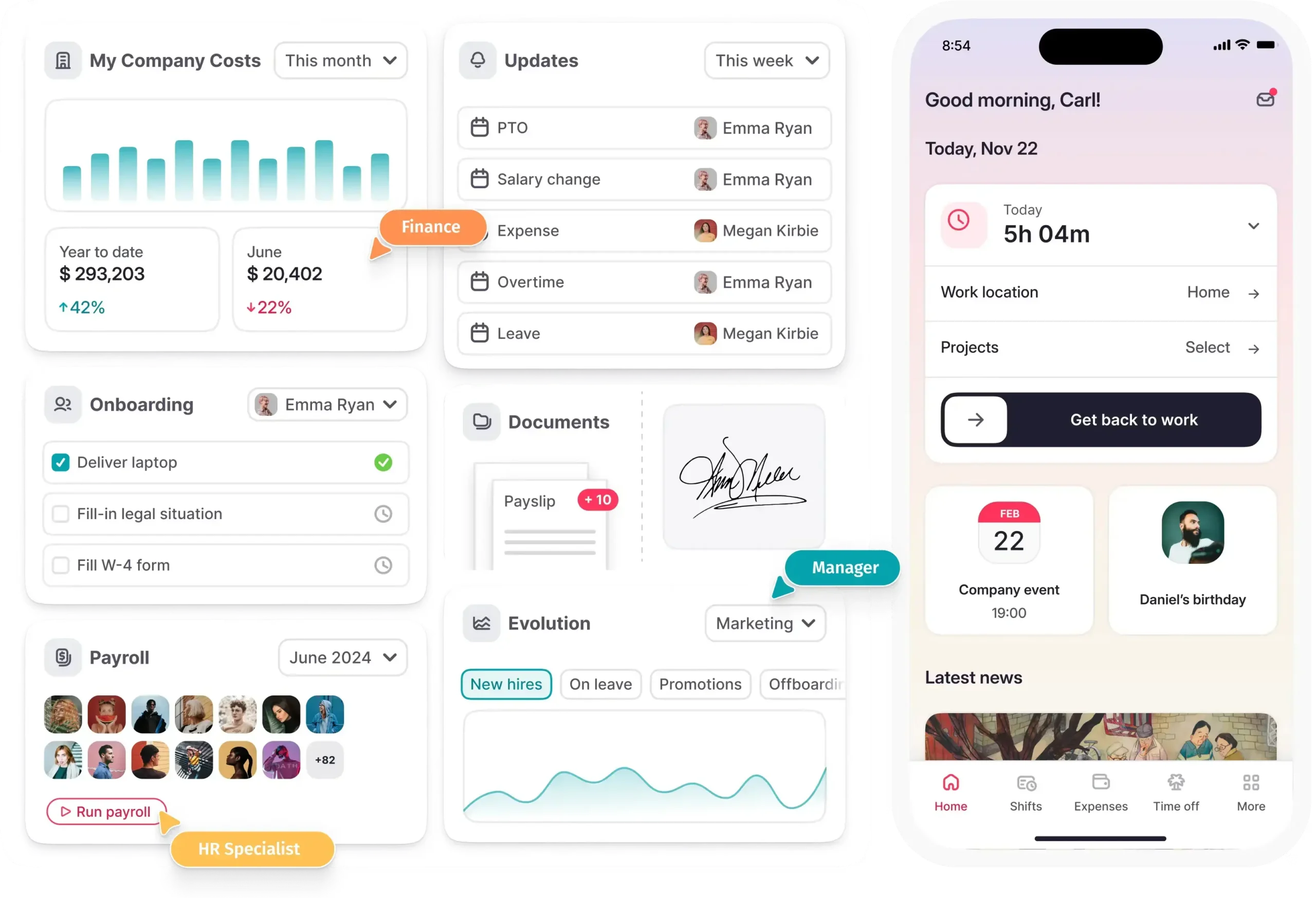
Tracking working hours helps businesses monitor employee attendance, record overtime and prepare payroll accurately. An employee timesheet provides a simple way to keep these records organised. Whether you’re managing a small business or a growing team in Kenya, timesheets can help you keep track of working hours and manage attendance more effectively. In this guide, we’ll explain how employee timesheets work and how to get started with our free monthly timesheet template.
What is an employee timesheet?
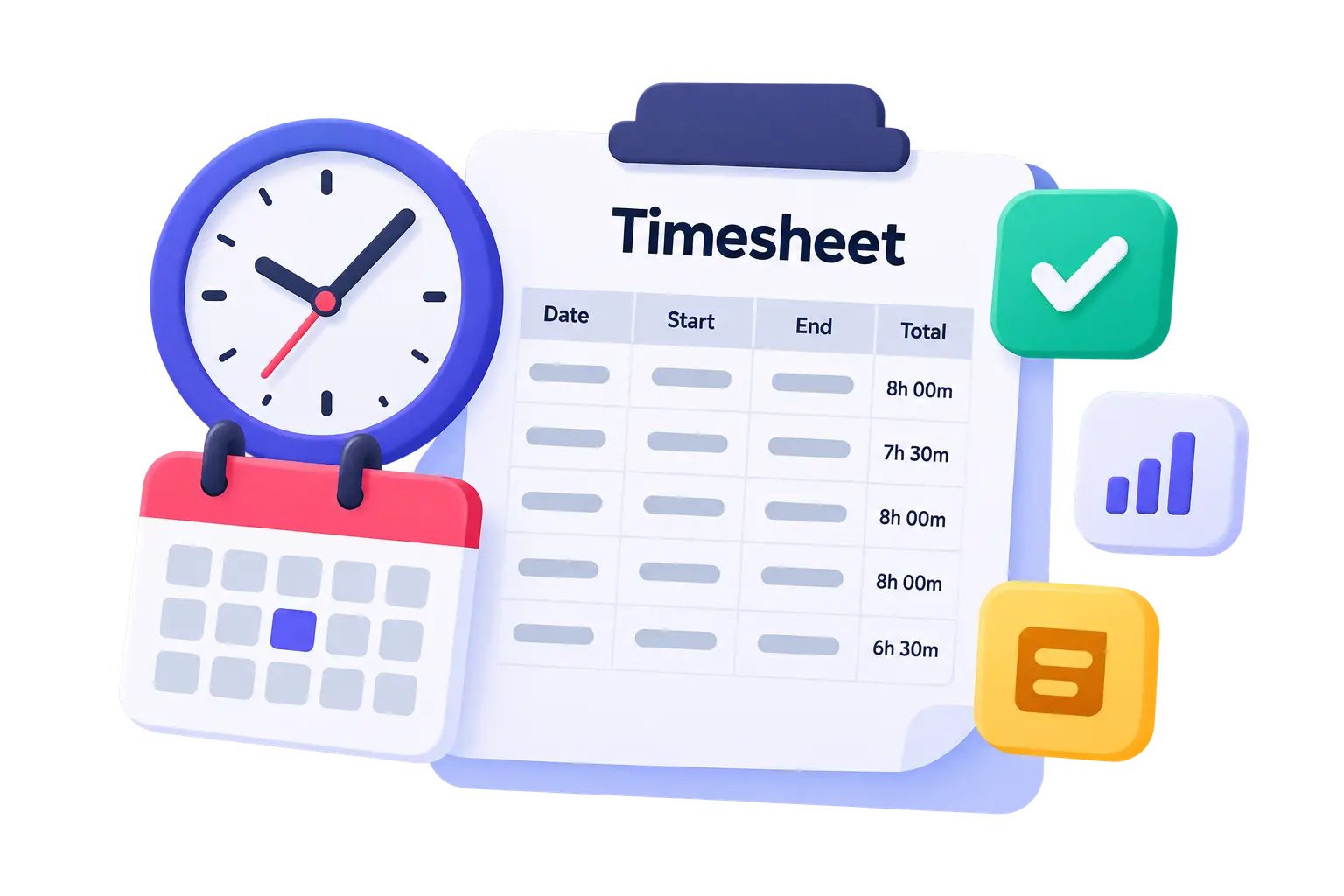
An employee timesheet is a record of the hours an employee works over a specific period, such as a day, week or month. Depending on the organisation, it may include clock-in and clock-out times, breaks, total hours worked and overtime. Businesses can use timesheets to monitor attendance, support payroll calculations and understand how working time is distributed across teams or projects. Timesheets can be maintained using spreadsheets, paper forms or digital time-tracking software.
Why is employee timesheet tracking important?
Keeping accurate timesheets helps HR teams and business owners:
- Prepare payroll: Recorded hours help payroll teams verify working time and identify overtime that may need to be included in payroll calculations.
- Monitor attendance: Timesheets make it easier to review working patterns, late arrivals and employee absences.
- Keep reliable records: Consistent records help businesses respond to queries about hours worked and meet applicable record-keeping requirements.
- Improve workforce planning: Understanding working hours helps managers allocate workloads, plan shifts and identify staffing needs.
For Kenyan employers, accurate working-time records are also important when managing ordinary working hours, rest days and overtime in line with the Employment Act, 2007 and applicable employment agreements.
How to use an employee timesheet
Follow these simple steps to introduce timesheet tracking in your business.
1. Choose a timesheet format. Decide whether a daily, weekly, or monthly timesheet best suits your employees and payroll cycle.
2. Record working hours consistently. Employees should enter their hours accurately and follow your company’s time-recording procedures.
3. Review the entries. Managers or HR should check for missing entries, unusual totals, and discrepancies before the records are used for payroll.
4. Store records securely. Keep timesheets organised and accessible to authorised people who need them.
5. Review working patterns. Use the records to identify recurring attendance issues, overtime trends, or opportunities to improve workforce planning.
Download your free employee timesheet template
Want a simple way to start tracking employee working hours? Download Factorial’s free Employee Monthly Timesheet Template. Use the template to record working hours, calculate totals, and keep monthly timesheet records organised without starting from scratch.
Simplify time tracking with Factorial
Spreadsheets can be useful for businesses getting started, but managing timesheets manually can become harder as your workforce grows.
Factorial helps businesses manage HR processes through a centralised platform, including time tracking and attendance management. Instead of relying entirely on manual spreadsheets, your team can explore digital tools to organise working-time records and streamline HR workflows.
Want to see how it works? Book a demo with Factorial and discover how the platform can support your business.