An HR audit helps businesses understand whether their human resources processes are working as they should. From employment contracts and payroll to leave management, employee records and workplace policies, it gives HR teams a structured way to identify gaps, reduce risks and improve how they manage people.
For Kenyan businesses, an HR audit is also an opportunity to review whether their employment practices align with applicable labour legislation, tax obligations and data protection requirements.
But where should you start, and what should you review?
In this guide, we explain what an HR audit is, why it matters, how to conduct one and which areas Kenyan businesses should review. You will also find a free HR audit checklist to help you organise the process.
What is an HR audit?
An HR audit is a systematic review of an organisation’s human resources policies, records, procedures and practices. Its purpose is to assess whether HR processes are effective, consistently applied and aligned with applicable legal requirements. It can cover the entire employee lifecycle, from recruitment and onboarding to performance management, payroll, employee development and off-boarding.
For example, a business might review its employment contracts to check whether written particulars are complete, compare payroll records against approved salary changes, or examine whether employee information is being stored securely. The findings help the business identify what is working, what needs attention and which actions should be prioritised.
An HR audit is not only about finding mistakes. It can also reveal opportunities to reduce administrative work, improve employee experience and make better workforce decisions.

Why is an HR audit important?
HR processes affect employees, managers and the wider business. When those processes are inconsistent or poorly documented, problems can go unnoticed until they become more difficult to resolve.
Here are five reasons to conduct an HR audit.
1. Identify compliance gaps
Employers in Kenya must navigate different legal and regulatory requirements, depending on their circumstances. These may include the Employment Act, 2007, Labour Relations Act, 2007, Employment and Labour Relations Court Act, Occupational Safety and Health Act, 2007, Data Protection Act, 2019, minimum wage requirements and applicable tax and statutory contribution obligations.
An HR audit helps businesses review whether relevant policies, records and procedures reflect their obligations. It also helps identify areas that may require further investigation or professional advice.
2. Improve HR processes
An audit can reveal where HR teams spend too much time on manual work, duplicate data entry or chasing missing information. For example, if leave balances are maintained separately from attendance records, reconciling the information may take longer and increase the risk of errors.
Reviewing these processes helps HR teams identify where clearer procedures, better record-keeping or HR software could make everyday administration more efficient.
3. Strengthen employee record-keeping
Employee records may include employment contracts, personal details, leave records, performance documentation, payroll information and training records. Missing, inaccurate or outdated information can create administrative difficulties and make it harder to demonstrate that decisions were handled appropriately.
An HR audit helps businesses assess whether records are accurate, accessible to authorised people and retained in line with applicable requirements.
4. Promote fair and consistent employment practices
Employees should be treated fairly throughout recruitment, performance management, disciplinary procedures, promotion and termination. An HR audit allows businesses to review whether managers follow established procedures consistently and whether decisions are adequately documented.
It can also highlight potential concerns involving discrimination, harassment, employee grievances or inconsistent application of company policies.
5. Support better workforce planning
An HR audit can provide useful insight into headcount, employee turnover, absenteeism, skills development and recruitment processes. These findings can help HR teams identify recurring challenges and recommend improvements that support the organisation’s objectives.
For instance, recurring vacancies may point to recruitment bottlenecks, while gaps in training records may indicate a need for better learning and development processes.
What should an HR audit cover?
The scope of an HR audit depends on the organisation’s size, industry, workforce and priorities. However, Kenyan businesses can start by reviewing the following areas.
1. HR management and workforce planning
Start by examining how HR responsibilities are organised and whether HR activities support the organisation’s goals.
Review:
- HR policies and procedures.
- Roles and responsibilities for HR, managers and employees.
- Workforce plans and organisational structure.
- Working arrangements and documented employment conditions.
- HR metrics, including headcount, turnover and absenteeism.
- Processes for handling employee questions, complaints and concerns.
Check whether policies are up to date, responsibilities are clear and HR decisions are documented consistently.
2. Recruitment and selection
Recruitment processes should be structured, fair and appropriately documented. Review whether job descriptions exist, selection criteria are relevant to each role and interviewers follow consistent procedures.
You should also examine how recruitment decisions are recorded, how applicant information is protected and whether background or reference checks are conducted appropriately and lawfully. Employers should pay particular attention to unfair discrimination in recruitment and selection. Where applicable, review affirmative action measures and employment equity requirements.
3. Onboarding and employment contracts
An effective onboarding process helps new employees understand their roles, workplace expectations and responsibilities. Review whether employees receive the required written particulars of employment, whether contracts accurately reflect agreed employment conditions and whether relevant workplace policies are communicated.
Check that new employees receive appropriate training, including relevant health and safety guidance, and that personnel records are created accurately. You should also review how probation arrangements are documented and managed.
4. Employee relations and performance management
Employee relations processes help businesses manage performance, workplace concerns and disciplinary matters fairly. Review your performance management policy, the process for setting objectives and providing feedback, and how performance concerns are documented. Also examine grievance procedures, disciplinary processes and how complaints involving harassment, discrimination or victimisation are handled.
Employers should review these procedures against the Employment Act, the Labour Relations Act, any applicable collective bargaining agreements and relevant employment regulations. The aim is to check that workplace procedures are fair, consistently applied and appropriate to the circumstances.
5. Training and development
Training supports employee performance, workplace safety and skills development. An HR audit should assess whether training needs are identified, relevant training is provided and completion records are maintained.
Where applicable, review National Industrial Training Authority (NITA) registration and industrial training levy obligations, alongside the organisation’s training plans and skills-development activities.
Check whether training contributes to the skills employees need rather than measuring success through attendance alone.
6. Working hours, leave and attendance
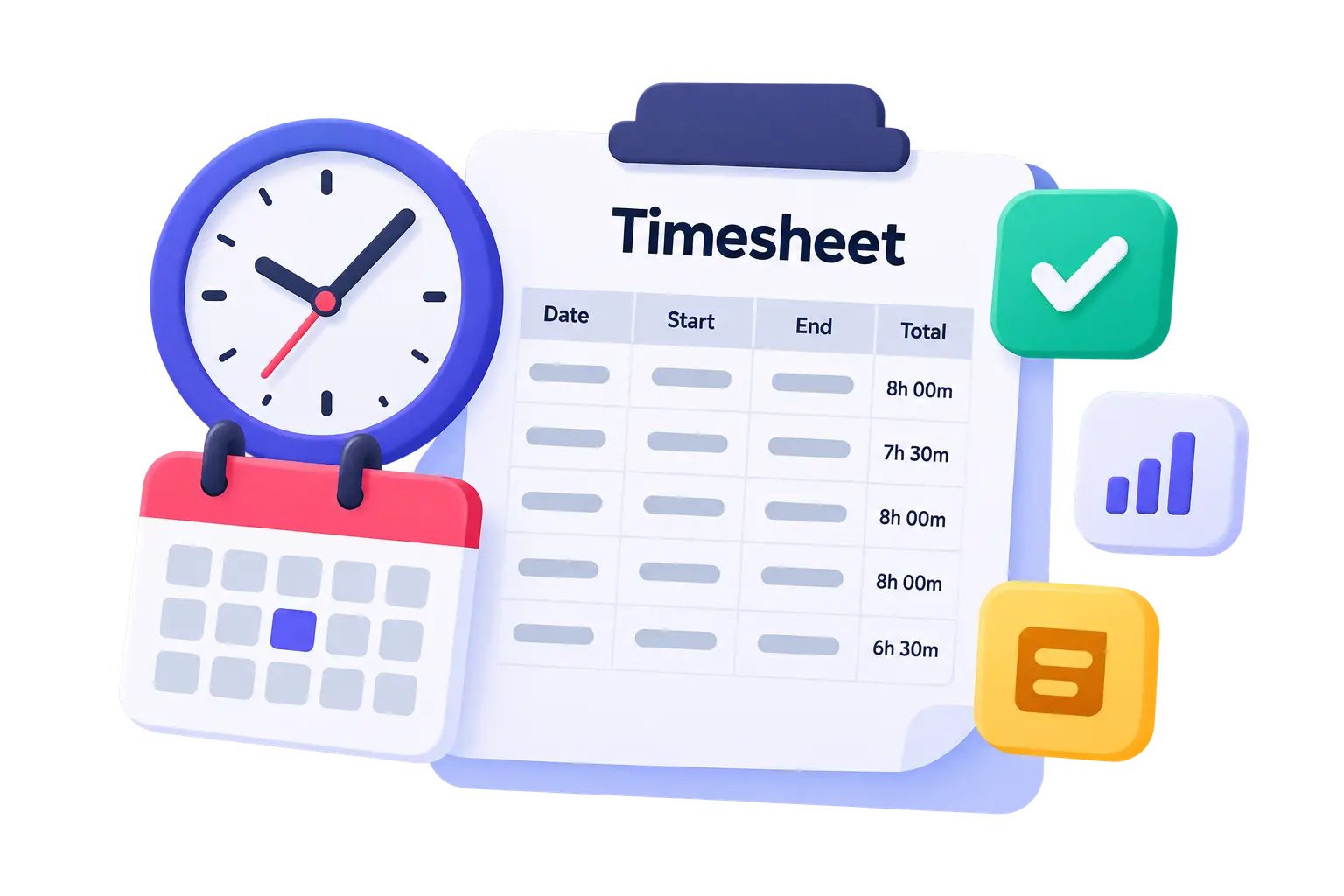
Working time and leave records are important for both employee administration and compliance. Review how the organisation records working hours, manages overtime, tracks attendance and administers leave. Depending on the employees concerned and the applicable arrangements, relevant checks may include:
- Ordinary working hours and overtime.
- Meal intervals and daily and weekly rest periods.
- Sunday and public-holiday work.
- Annual leave balances and leave cycles.
- Sick leave and family responsibility leave.
- Maternity, parental, adoption and commissioning parental leave.
- Record retention for working time, attendance and leave.
The Employment Act, 2007, contains rules covering these areas, but some provisions have exclusions or different applications depending on the employee and circumstances. Check the applicable requirements rather than assuming one rule covers every employee.
7. Payroll, remuneration and benefits
Payroll errors can affect employee trust and create compliance problems. Compare payroll records against employment contracts, approved salary changes, attendance information and leave records. Check that employees are paid correctly and that payslips contain the required information.
Review deductions, overtime payments, benefits and applicable minimum wage requirements. For Kenyan payroll, also check relevant obligations involving:
- Pay As You Earn (PAYE).
- National Social Security Fund (NSSF) contributions.
- Social Health Insurance Fund (SHIF) contributions administered through the Social Health Authority (SHA), as applicable.
- Affordable Housing Levy (AHL).
- National Industrial Training Authority (NITA) industrial training levy.
- Monthly PAYE declarations and payments to the Kenya Revenue Authority (KRA).
- Applicable statutory returns, reconciliations and employee tax records.
KRA provides guidance on PAYE, employer declarations and the Affordable Housing Levy. Employers should verify current rates, deadlines and contribution requirements with the relevant authorities.

8. Employment equity and fair employment
Review whether recruitment, pay, promotion, training and termination practices are fair and whether the organisation has identified potential barriers to equal opportunity. Check whether the organisation’s employment practices comply with applicable anti-discrimination requirements under Kenyan law.
Review the organisation’s policies on equal opportunity, workplace harassment, reasonable accommodation where applicable, and fair treatment of employees. Also check whether employment decisions are supported by relevant records and applied consistently.
Where relevant, businesses should review their workforce policies against applicable legal requirements and their broader diversity, inclusion and workforce-development objectives.
9. HR records, data protection and information governance
HR teams handle personal information throughout the employee lifecycle. This makes information security and responsible record-keeping essential. Review whether employee and applicant records are accurate, whether access is restricted to authorised people and whether information is retained for appropriate periods.
Check that the organisation has an appropriate framework for complying with the Data Protection Act, 2019, and its applicable regulations. Review whether the organisation is required to register with the Office of the Data Protection Commissioner (ODPC) as a data controller or data processor, whether registration requirements have been met and whether employees are informed about how their personal data is handled. Also review third-party HR, payroll and recruitment providers, access controls and procedures for responding to personal-data requests or security breaches.
The ODPC provides official guidance on data protection compliance, registration and the responsibilities of data controllers and processors.
10. Health, safety and workplace security
An HR audit should review whether workplace risks have been identified and whether relevant health and safety procedures are documented and followed. Check training records, incident reporting procedures, emergency arrangements and the allocation of health and safety responsibilities. Where applicable, review the organisation’s compliance with the Occupational Safety and Health Act, 2007, registration and reporting requirements, and its obligations under the Work Injury Benefits Act, 2007 (WIBA), including appropriate employee injury reporting and compensation arrangements.
The applicable requirements may vary with the organisation’s activities and workforce, so confirm which obligations apply to your business.
11. Off-boarding and employment termination
The HR process does not end when an employee leaves. Review whether resignations, dismissals, redundancies and other terminations are managed through documented procedures. Check notice periods, final-pay calculations, accrued leave, termination documentation and the retention of employment records.
Also confirm that company property is returned, system access is removed when appropriate and confidential information remains protected. A consistent off-boarding process helps reduce administrative oversights and ensures that employee departures are handled in an orderly manner.
How to conduct an HR audit in 6 steps
Once you know which areas to review, follow a structured process to complete the audit.
Step 1: Define the scope of the audit
Decide what the audit needs to cover. You might review the entire HR function or focus on a particular area, such as payroll, employment contracts, leave administration or POPIA. Consider recent organisational changes, known challenges and any upcoming reporting or compliance deadlines.
Step 2: Gather the relevant documents
Collect the records needed to assess each area. These may include employment contracts, HR policies, payroll reports, leave records, training documentation and recruitment procedures. Store the information securely and restrict access to authorised people, especially when handling personal or sensitive employee information.
Step 3: Review policies, records and practices
Compare the documents and actual processes against applicable legal requirements, internal policies and agreed procedures. Do not rely on written policies alone. Check whether managers and employees follow them in practice and whether the supporting records are complete.
Where a requirement depends on employee category, earnings threshold, sectoral agreement or employer status, confirm the relevant conditions before drawing a conclusion.
Step 4: Identify gaps and prioritise risks
Record each issue you identify, the evidence supporting it and the action needed. Prioritise matters that may involve legal non-compliance, employee rights, payroll errors, information security or workplace safety. Then address process improvements and other operational opportunities.
If a finding is unclear or legally complex, seek advice from a suitably qualified professional.
Step 5: Create an action plan
Assign an owner to each corrective action and agree on a realistic deadline. For example, if some employee contracts contain outdated information, the action plan might include reviewing the affected contracts, correcting the records and introducing a regular review process.
Track progress so that identified issues do not remain unresolved after the audit.
Step 6: Monitor progress and repeat the audit
Review the action plan regularly and confirm that completed actions have resolved the underlying issues. Conduct an HR audit at least annually as a practical starting point, with more frequent reviews where risks, business changes or regulatory requirements make them necessary. Keep the findings and supporting records so you can compare results over time and identify recurring problems.
How often should a business conduct an HR audit?
There is no single audit schedule that suits every organisation. An annual review is a useful starting point, but the appropriate frequency depends on the business’s risks, size, workforce and applicable obligations.
Consider an additional review when:
- The business grows or restructures.
- New HR or payroll systems are introduced.
- Employment policies or procedures change.
- Payroll, leave or employee record discrepancies arise.
- An incident, complaint or internal review reveals a possible gap.
- Relevant legislation or regulatory requirements change.
Regular reviews help businesses identify issues earlier and keep their HR processes aligned with current operations.
Common HR audit mistakes to avoid
Even a well-planned audit can miss important issues if the process is rushed or poorly documented.
Watch out for these common mistakes:
- Reviewing policies without checking actual practice. A policy may be well written, but that does not mean managers apply it consistently. Check records and processes as well as documents.
- Treating every requirement as universal. Some obligations depend on employer status, employee category, earnings thresholds or sector-specific rules. Verify applicability before deciding that a gap exists.
- Collecting information without an action plan. An audit has limited value if findings are not assigned to someone who can resolve them.
- Ignoring employee data protection. Audit files may contain confidential information. Use appropriate access controls and secure storage.
- Failing to follow up. Completing the checklist is only the beginning. Revisit outstanding actions and confirm that corrective measures have worked.
Free HR audit checklist for businesses in Kenya
Reviewing every HR process can feel overwhelming, especially when records are spread across spreadsheets, paper files, email and different systems.
To make the process easier, we have prepared a free HR Audit Checklist for businesses in Kenya.

The checklist covers 11 key areas:
- HR management.
- Recruitment.
- Onboarding.
- Employee relations and performance.
- Training and development.
- Working time, leave and attendance.
- Payroll, pay and benefits.
- Fair employment practices.
- HR records, data protection and information governance.
- Off-boarding and employment termination.
Use it to review your current processes, record whether each check has been completed, identify gaps and organise follow-up actions. It includes a review structure for the first and second halves of the year.
Simplify your HR administration with Factorial
An HR audit can reveal how much time your team spends maintaining records, tracking leave, coordinating employee information and managing routine administrative tasks.
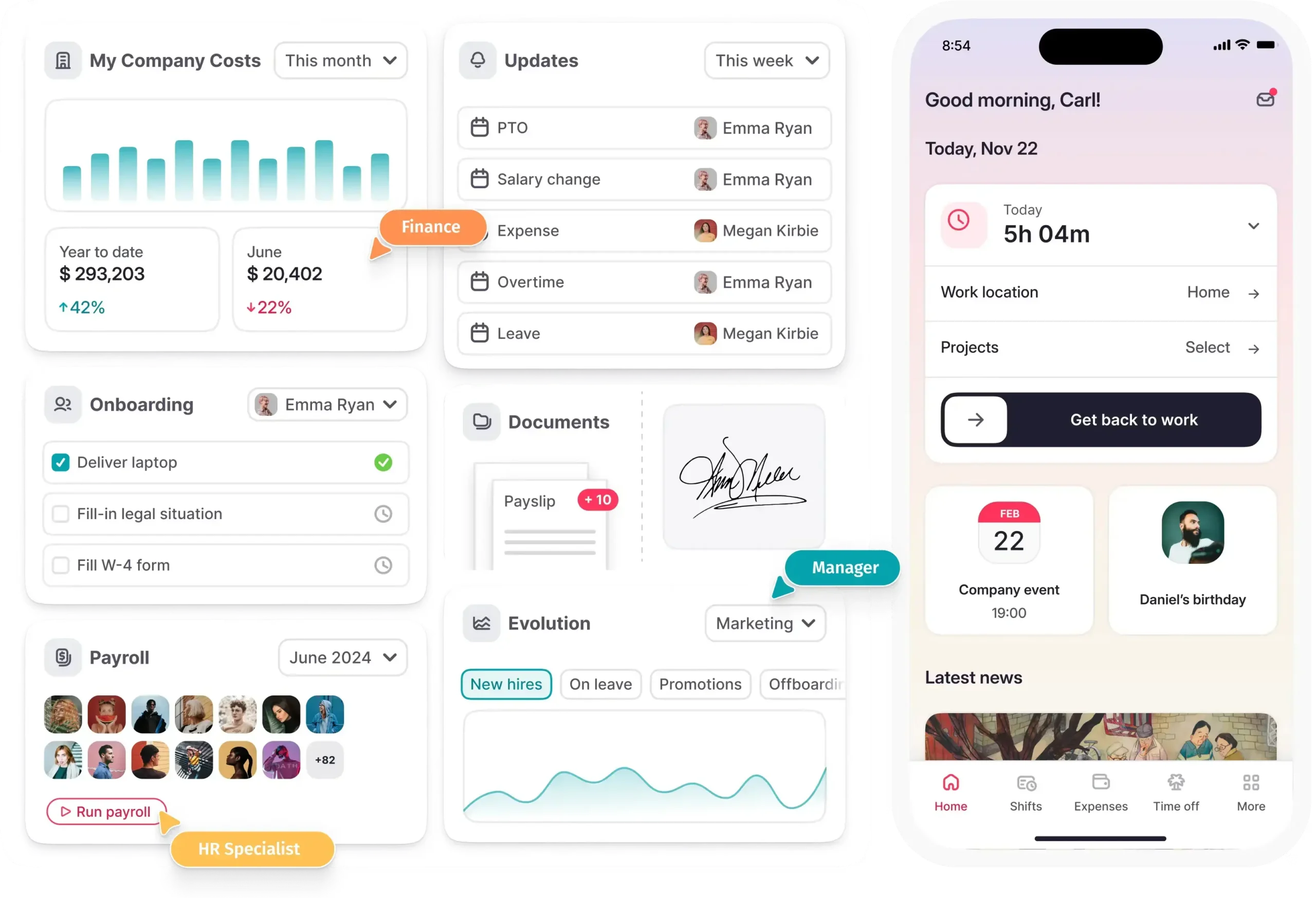
Factorial brings HR administration, time tracking, leave management, employee records and performance management together in one platform. Centralising these processes can help your team organise information and reduce reliance on scattered manual workflows.
See how Factorial could support your HR processes, book a demo.
Editorial note: This guide is for general information and is not legal advice. Kenyan employment and regulatory requirements can change and may differ according to the employer, employee category, industry and applicable agreements. Verify current requirements before making compliance decisions.